No incisions
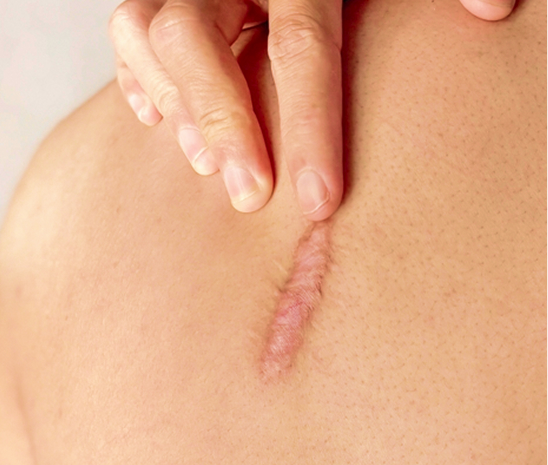
Small entry points mean no surgical scars or general anaesthetic.

Definisse threads are made by Relife from a blend of poly-L-lactic acid and caprolactone. Tiny barbs along each thread grip the tissue beneath the dermis to give support. Over the following months, the threads dissolve, and as they do, they nudge your skin into making more of its own collagen.
This treatment is a non-surgical facial rejuvenation treatment that improves the appearance of your skin and combats the visible signs of ageing, offering natural-looking results.
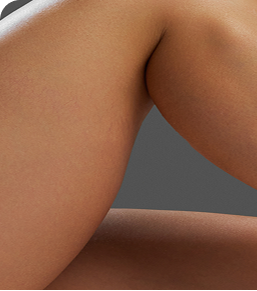
If your skin looks thin, crepey or a bit tired, whether on the face, arms, knees or elbows, these are the threads for you. They’re about skin quality rather than lift, so expect smoother, firmer skin that improves gradually as new collagen forms.
Benefits may include:
Spotted the first visible signs of sagging around your jawline, cheeks or brows? Double needle threads add definition and a subtle lift to these areas, while keeping your face looking like yours.
Areas that can be treated include:
This is our most advanced option, and usually what people mean when they search for a thread lift in Essex. Anchorage points let your practitioner reposition soft tissue to help with jowls. We’ll be straight with you: it isn’t a surgical facelift, and results vary with skin quality, anatomy and age.
Anchorage threads may be considered for:
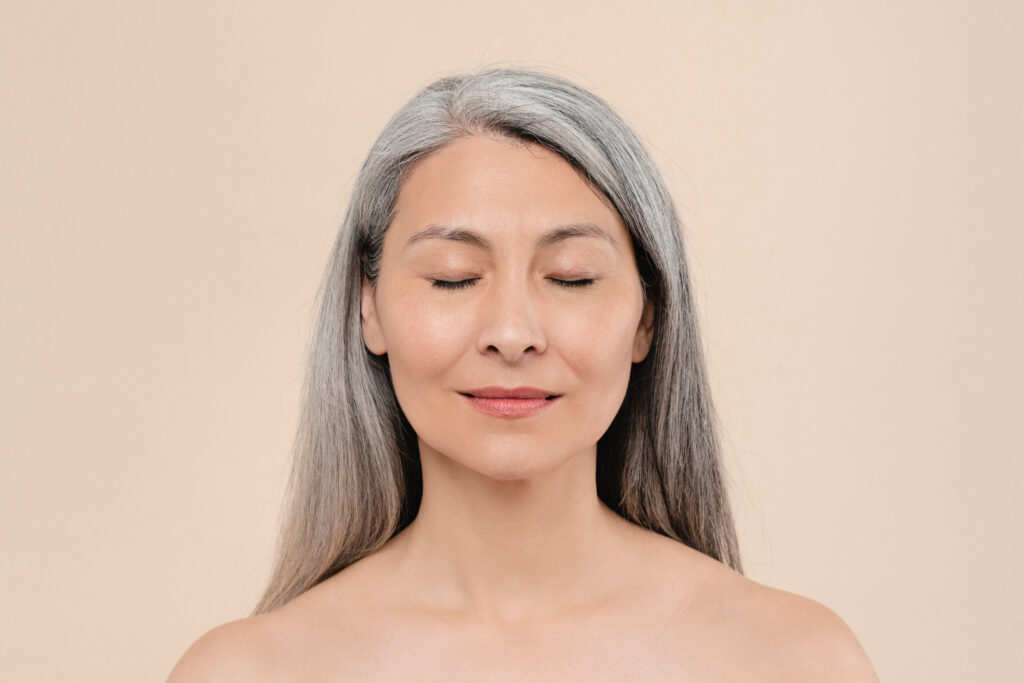
Small entry points mean no surgical scars or general anaesthetic.
Threads support tissue, then stimulate collagen production as they dissolve.
Three thread types target texture, definition or lift.
Nothing permanent is left behind.
Before anything else, we’ll sit down with you for a proper chat – your consultation is an important part of the treatment process.
We will discuss your concerns and desired outcome, assess the areas you would like to improve and determine whether thread treatment is clinically appropriate for you. Your practitioner will look at your facial proportions, skin quality and degree of laxity and talk through what you’d like to change.
If threads aren’t right for you, we’ll say so.
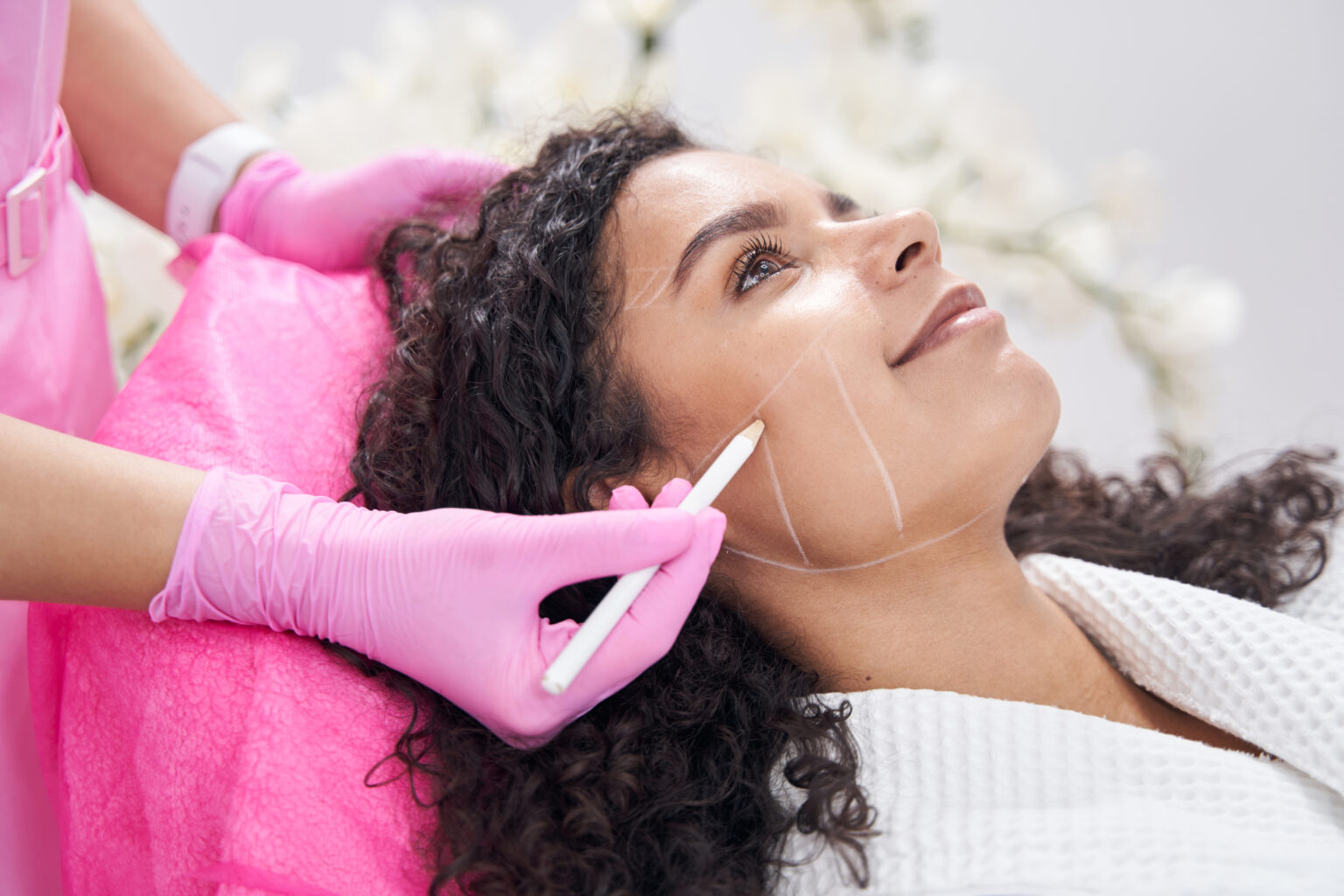
On the day, the area is cleansed and marked, and local anaesthetic is administered to keep you comfortable. The threads go in through tiny entry points and are positioned for a balanced result.
Afterwards, a bit of swelling, bruising, tenderness and tightness is completely normal. You’ll go home with clear aftercare instructions and a follow-up review booked in.
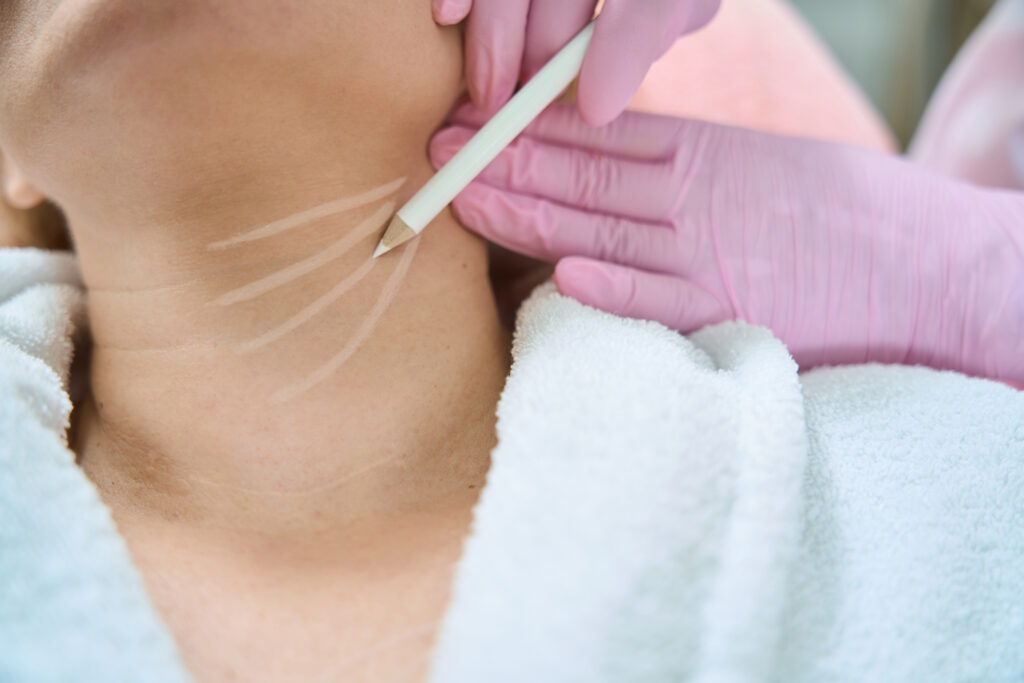
With threads, where each one sits is the difference between looking refreshed and looking pulled. That’s why we plan around your anatomy for natural-looking results, and if dermal fillers or Morpheus8 would suit you better, we’ll tell you.
Your treatment is carried out by a qualified member of our clinical team, which includes nurse prescribers and GMC-registered surgeons. We’ve been looking after patients across Essex since 2012, and you don’t have to take our word for it: have a read of what our patients say in their reviews.
Collagen-stimulating threads (small area)
From £600
Double needle threads
From £1000
Anchorage threads
From £1500
Michelle KeenVerified Customer

I have had such a wonderful experience. I found It is a clean and professional environment. My lower bleph surgery I am thrilled with and it was competitively priced compared to other places. Love the staff particularly Amanda. Highly recommend
OnurVerified Customer
I recently had lipoma removal surgery with Surgeon Ricardo, and I am absolutely thrilled with the entire experience. From the moment I met him, professionalism and genuine care put me at ease. He took the time to thoroughly explain every detail of the procedure, answering all my questions and addressing any concerns I had.
Rose HigleyVerified Customer
Just had my second treatment of profilo done with Amy and the results are amazing. Amy’s lovely and friendly she talked me through the treatment and made me feel at ease. Friendly and welcoming clinic. All the staff are very helpful with any questions asked. Highly recommend.
Jacqui DeanVerified Customer
Friendly and efficient staff, always happy to help, they do lots of different treatments, I have recommended many friends to go there.
Treatment time varies according to the area being treated, the number of threads required and the technique used. Your practitioner will discuss the expected treatment time during your consultation.
There is no single thread treatment that is appropriate for everyone. At Aesthetics of Essex, we take a consultation-led approach. Your practitioner will assess your skin, facial anatomy, tissue quality and individual concerns before recommending the most appropriate treatment.
Depending on your needs, this may be:
In selected patients, treatments may also be combined to address both skin quality and facial structure.
Some lifting and definition may be visible immediately following certain thread treatments. However, results can continue to evolve as swelling settles and, with collagen-stimulating treatments, as the body’s natural collagen response develops.
Local anaesthetic is used where appropriate to ensure your comfort during treatment. You may experience some tenderness, tightness or sensitivity following the procedure.
Thread treatments involve some degree of recovery. Swelling, bruising, tenderness and temporary asymmetry can occur following treatment. The extent and duration vary depending on the treatment performed and the individual.
Your practitioner will provide detailed aftercare instructions and advise you when you can safely return to normal activities.
Longevity varies considerably between individuals and depends on the treatment performed, skin quality, age, lifestyle and the degree of tissue laxity. Your practitioner will discuss realistic expectations during your consultation.
No. It isn’t suitable during pregnancy or breastfeeding, if you have an active skin infection in the area, or with some medical conditions. Heavier laxity may need a surgical opinion, and if that’s the case, we’ll say so at your free consultation.
Stay updated on the significant changes in the aesthetics industry this June. Aesthetics of Essex shares essential insights for practitioners...
Read More
Discover the stages of lip filler swelling, what to expect after treatment, and key aftercare tips to help you achieve...
Read More
Explore PRP hair treatment, a revolutionary solution for hair restoration. Uncover its benefits over other methods and achieve fuller, healthier...
Read More
Explore Vitamin B12 injections in Essex for a more effective alternative to daily supplements. Boost your energy and overall health...
Read More
Explore our expert lipoma removal services and boost your confidence, allowing you to feel your best and shine in the...
Read More
Experience the benefits of laser tattoo and hair removal this winter. Our professional services ensure safe, effective results for beautiful,...
Read More
Discover the benefits of blepharoplasty this winter. Our expert eyelid surgery enhances your appearance and boosts confidence. Book your consultation...
Read MoreDiscover the benefits of colonic irrigation for detoxing this New Year. Revitalise your health and embrace a fresh start with...
Read More