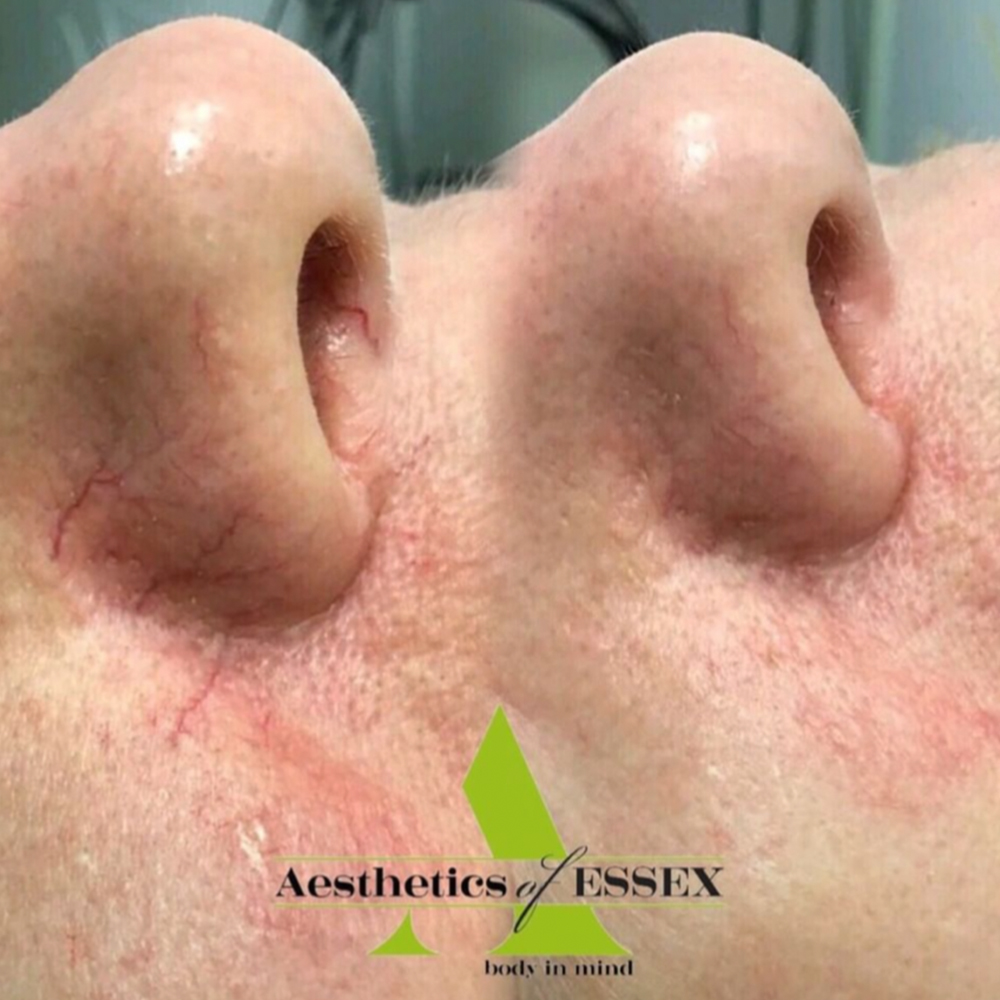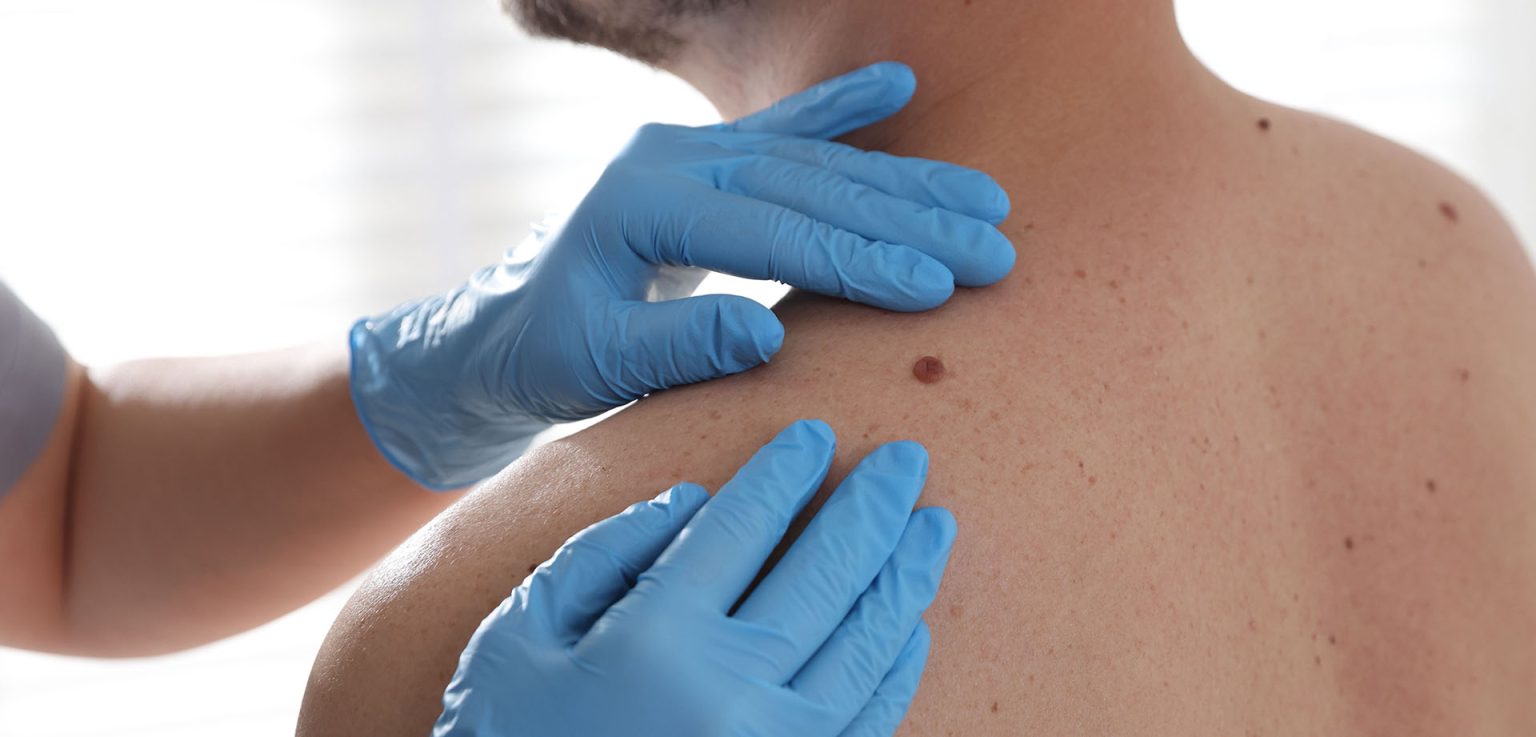
Precise and kind to the skin around it
CryoPen targets each milia spot individually with a fine jet of nitrous oxide, so the healthy skin around it isn't affected.

Milia are small, hard white or yellowish bumps that develop when skin flakes get trapped, or keratin builds up under the skin.
They can appear anywhere on the body, but they usually cluster on the nose, cheeks and chin. If they don’t resolve on their own over time and are particularly stubborn, specialised treatments such as CryoPen can get rid of them.
CryoPen is an advanced cryotherapy innovation that enables the fast, effective removal of skin imperfections like milia.
Unlike methods that use more invasive lasers, CryoPen works by emitting a fine jet of nitrous oxide under high pressure, allowing your practitioner to work with pinpoint accuracy. This freezes the fluid inside the targeted cells, forming ice crystals that destroy the cell membrane, so the milia is removed without affecting the healthy skin around it.
CryoPen is also used at Aesthetics of Essex to treat several other benign skin lesions, including:
These are considered cosmetic procedures, so they aren’t usually available on the NHS, which is why many people look for a private, affordable way to have them treated.
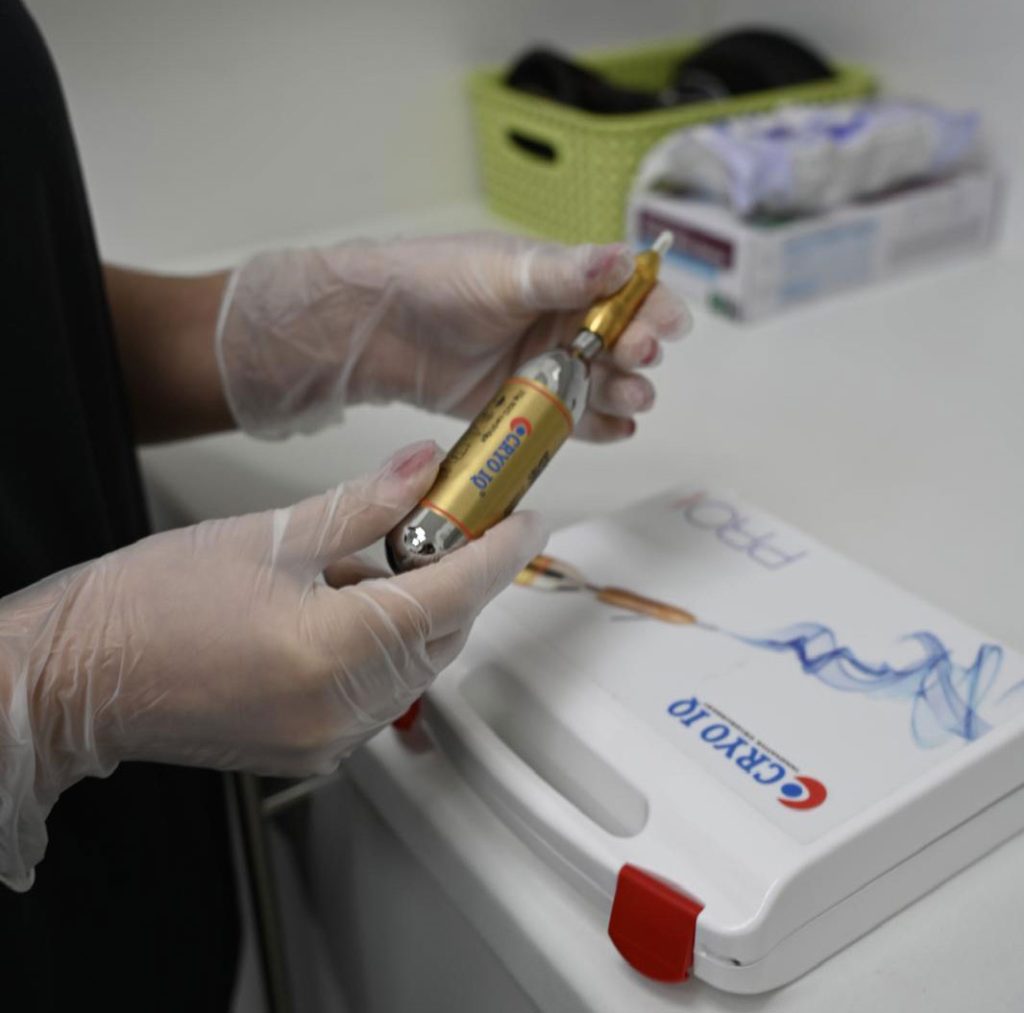
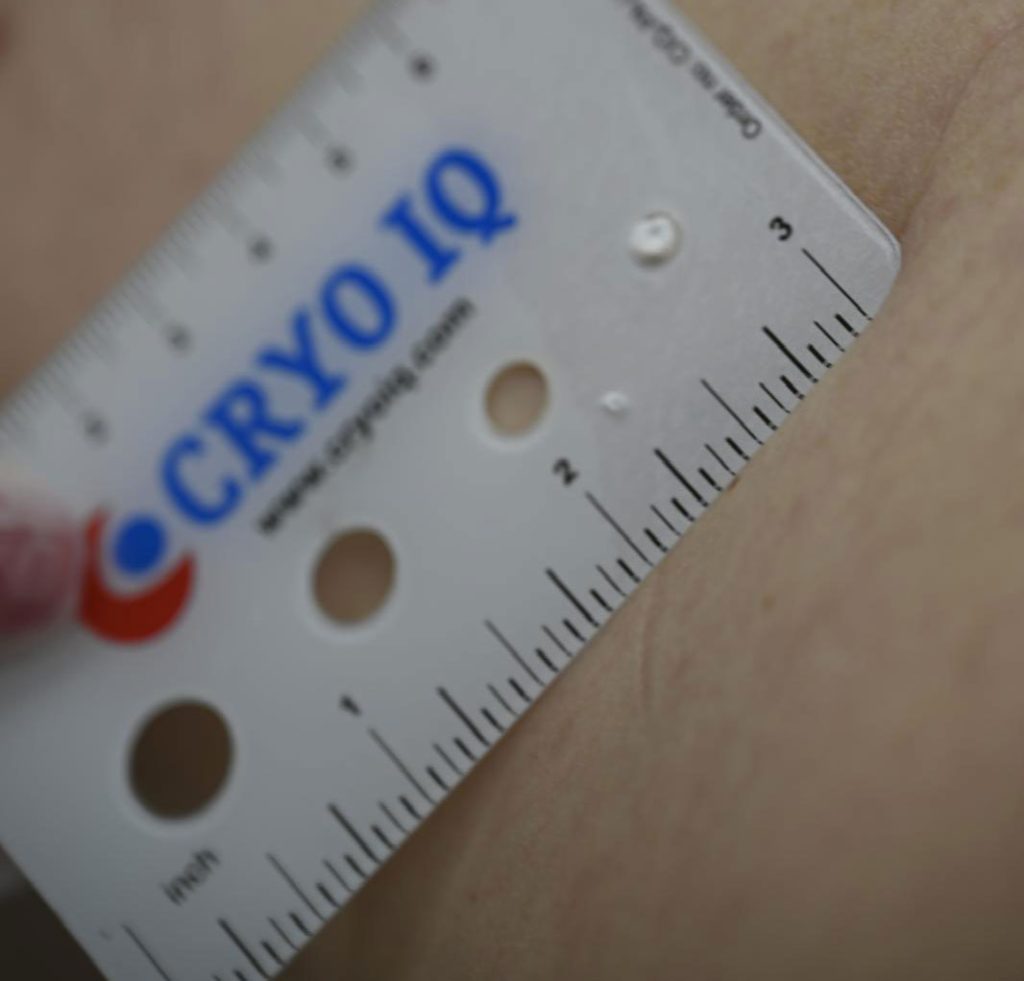
CryoPen targets each milia spot individually with a fine jet of nitrous oxide, so the healthy skin around it isn't affected.
Each application takes 1 to 30 seconds, so a full milia removal appointment is normally done within 15 minutes.
CryoPen removes milia by freezing rather than cutting or injecting, which is why most people describe it as comfortable rather than painful.
Side effects are usually limited to some tenderness or a small blister, settling within around 48 hours.
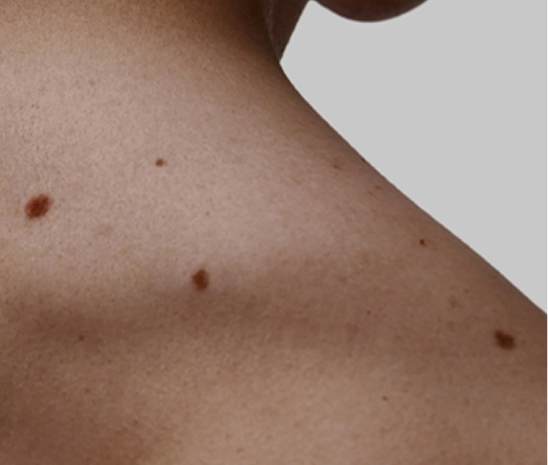
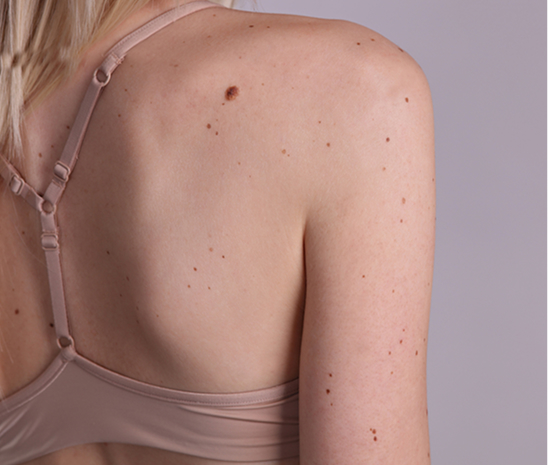
What looks like a stray milia spot can also turn out to be something else, a small cyst, a mole, or another kind of lesion, so the first job at Aesthetics of Essex is checking what you’ve actually got before anyone reaches for the CryoPen.
We run three clinics across Essex, in Upminster, Rayleigh and Maldon, with a qualified and experienced team.
If CryoPen milia removal treatment isn’t the right call for what you’ve got, or you’d be better off having it screened first, we’ll say so at your consultation rather than treating first and asking questions later.
Milia removal
£45
Price varies by quantity. Ready to find out whether CryoPen milia removal is right for you? Book online for a free, no-obligation consultation, or call 01708 225 555.

Michelle KeenVerified Customer

I have had such a wonderful experience. I found It is a clean and professional environment. My lower bleph surgery I am thrilled with and it was competitively priced compared to other places. Love the staff particularly Amanda. Highly recommend

OnurVerified Customer
I recently had lipoma removal surgery with Surgeon Ricardo, and I am absolutely thrilled with the entire experience. From the moment I met him, professionalism and genuine care put me at ease. He took the time to thoroughly explain every detail of the procedure, answering all my questions and addressing any concerns I had.
Rose HigleyVerified Customer
Just had my second treatment of profilo done with Amy and the results are amazing. Amy’s lovely and friendly she talked me through the treatment and made me feel at ease. Friendly and welcoming clinic. All the staff are very helpful with any questions asked. Highly recommend.
Jacqui DeanVerified Customer
Friendly and efficient staff, always happy to help, they do lots of different treatments, I have recommended many friends to go there.
Milia form when skin flakes or keratin become trapped under the surface of the skin. They can affect people of any age, and usually appear on the nose, cheeks and chin.
Often, milia clear up by themselves over time. If yours haven’t gone away after a few months, or keep coming back, milia spot removal with CryoPen is the quickest way to have them professionally removed.
Every client is different, and we can never fully predict how you’ll react. Most people find the procedure virtually pain-free.
You may feel some residual stinging for a few minutes after treatment, and in some cases a small blister may form, which is perfectly normal. If you experience an unusually high level of discomfort, simply tell your therapist, and they’ll stop the procedure immediately.
An exfoliating cleanser or a skincare routine that includes ingredients like salicylic acid or glycolic acid can help keep pores clear and support cell renewal, which can help to prevent new milia from forming.
However, they can’t remove milia that have already hardened under the skin. Picking or squeezing at milia yourself risks scarring or infection, as the skin has to be broken to get them out.
Professional removal with CryoPen uses sterile equipment and takes seconds, without those risks.
Your skin may be tender, and it could blister for 24 hours after treatment. This shouldn’t affect your day-to-day activities. Most people can continue their normal routine straight after the procedure, so there’s no need to take any time off work or rest at home, unless you want to.
It can take approximately 1 to 6 weeks for the treatment area to fully heal, though the exact time depends on the size of the milia.
During this time, the skin’s appearance is likely to get worse before it gets better, which is expected and nothing to worry about; for example, the area may darken as the skin cells die, or flake away as new skin regenerates.
Most people start to see an improvement at around four weeks, at which point a follow-up visit is typically recommended.
Generally speaking, this low-temperature procedure is suitable for most clients.
At your first consultation, we’ll carry out a thorough analysis of the milia to check you’re suitable, and if we don’t think CryoPen is the best option for you, we’ll let you know.
It isn’t suitable for those who are pregnant or breastfeeding, clients with autoimmune disorders, or those who suffer from keloid scarring.
Stay updated on the significant changes in the aesthetics industry this June. Aesthetics of Essex shares essential insights for practitioners...
Read More
Discover the stages of lip filler swelling, what to expect after treatment, and key aftercare tips to help you achieve...
Read More
Explore PRP hair treatment, a revolutionary solution for hair restoration. Uncover its benefits over other methods and achieve fuller, healthier...
Read More
Explore Vitamin B12 injections in Essex for a more effective alternative to daily supplements. Boost your energy and overall health...
Read More
Explore our expert lipoma removal services and boost your confidence, allowing you to feel your best and shine in the...
Read More
Experience the benefits of laser tattoo and hair removal this winter. Our professional services ensure safe, effective results for beautiful,...
Read More
Discover the benefits of blepharoplasty this winter. Our expert eyelid surgery enhances your appearance and boosts confidence. Book your consultation...
Read MoreDiscover the benefits of colonic irrigation for detoxing this New Year. Revitalise your health and embrace a fresh start with...
Read More