Brighter, more rested eyes
Removing excess skin and fat opens up the eye area, so you look less tired, which often helps give a more youthful appearance.

Blepharoplasty is a minor surgical procedure that removes excess fat, skin and wasted muscle from the upper and lower eyelids, clearing the eyes and giving a more refreshed and youthful appearance. For some, it’s more than cosmetic surgery – it can also restore their vision to previous standards.
There are two main types, and you can have one or both:
Having both done together is known as a double blepharoplasty.
You may also see it called eyelid surgery, an eye lift or hooded eye surgery. It’s a different procedure to a brow lift, which repositions the eyebrows rather than the eyelids, so it’s worth checking with us which one actually matches your concern.
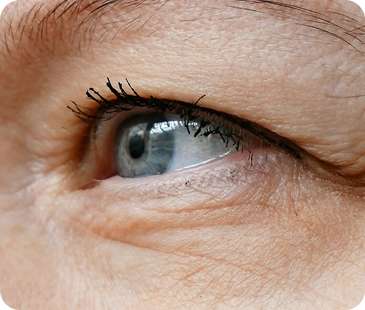
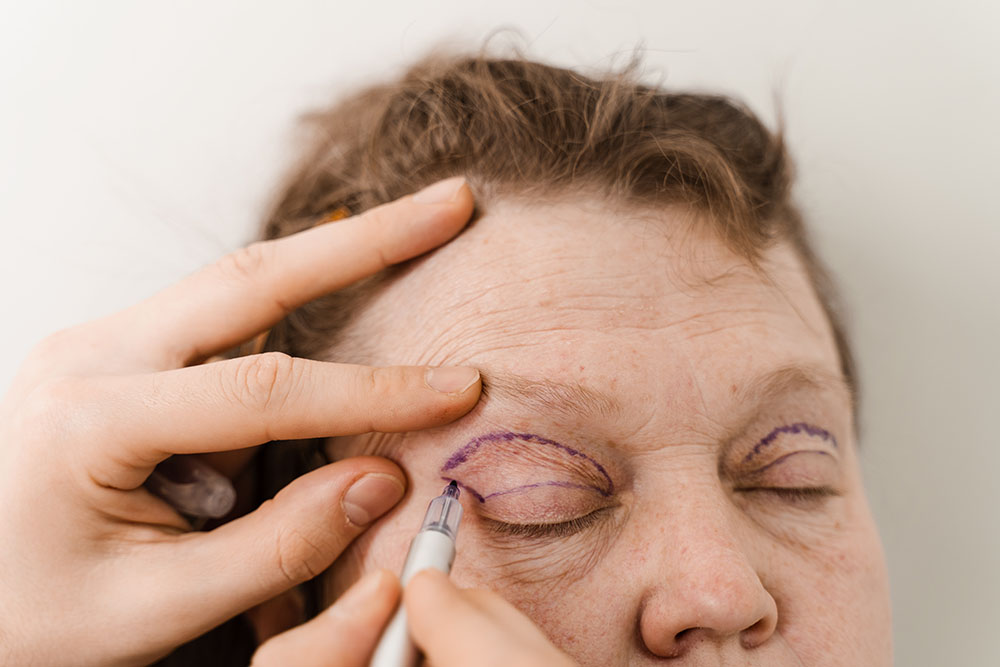
Before your surgery, your surgeon carries out several checks to plan your treatment. This can include an eye exam to test tear production, vision field testing to check for any blind spots, and eyelid photography, which helps plan the procedure and gives you a clear before-and-after record.
You’ll then be given a local anaesthetic in the upper or lower eyelid, so you may feel some pressure or movement as it’s injected.
For an upper blepharoplasty, your surgeon cuts along the natural fold of the eyelid to remove excess skin, muscle and fat, before closing the site.
For a lower blepharoplasty, the incision is made just below the lashes, in the eyelid crease, or inside the lower lid (transconjunctival blepharoplasty), before repositioning or removing excess fat, skin and muscle and closing the incision.
The procedure itself takes around 45 minutes to an hour, and you’ll be able to go home the same day.
Over the following 10 to 14 days, it’s normal to notice some blurred or double vision, light sensitivity, puffy or numb eyelids, swelling, bruising and discomfort around the incision lines.
Cool compresses over the eyes for the first day or two help reduce swelling, and any prescribed eye drops or ointments should be used as directed. Healing continues for several weeks after.
Throughout your recovery period, you’ll be asked to sleep with your head raised for a couple of days, wear UV400 sunglasses to protect against sun damage while you heal, avoid contact lenses and make-up until fully healed, and attend a follow-up appointment so your surgeon can check on your healing.
Removing excess skin and fat opens up the eye area, so you look less tired, which often helps give a more youthful appearance.
When heavy upper lids start to block your vision, removing them can help make tasks like driving and reading easier.
Eyelid surgery results are long-lasting. Although your eyes carry on ageing naturally over time, the skin and fat removed during surgery don't simply return.
Your eye lift will be undertaken by GMC-registered plastic reconstruction surgeon Dr Ricardo Tejero (GMC No. 4286916), so you can rest assured you're in well-practised hands. Dr Tejero has spent many years working with the NHS and has worked in various hospitals across the country
We’ve been established in Essex since 2012, with three boutique clinics in Upminster, Rayleigh and Maldon. For something as personal as changing how your eyes look, we’d rather talk you through exactly what blepharoplasty can and can’t do for you at a free, no-obligation consultation than tell you what you want to hear. We will provide expert advice and tell you all you need to know as thoroughly as possible.
Opting to have blepharoplasty treatment is a big decision, so who’s actually doing it matters more than usual. Dr Ricardo Tejero, a GMC-registered plastic reconstruction surgeon with years of NHS experience, carries out your eyelid surgery.
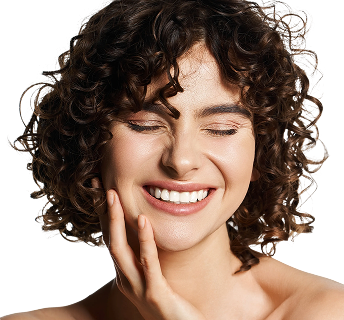
Upper blepharoplasty
£2,250
Removes excess skin from the upper eyelid to open up the eye area.
Lower blepharoplasty
£2,950
Removes or repositions excess fat and skin from beneath the eye.
Upper and lower blepharoplasty
£4,250
Removes or repositions excess fat and skin from the upper eyelid and from beneath the eye.
Michelle KeenVerified Customer

I have had such a wonderful experience. I found It is a clean and professional environment. My lower bleph surgery I am thrilled with and it was competitively priced compared to other places. Love the staff particularly Amanda. Highly recommend
OnurVerified Customer
I recently had lipoma removal surgery with Surgeon Ricardo, and I am absolutely thrilled with the entire experience. From the moment I met him, professionalism and genuine care put me at ease. He took the time to thoroughly explain every detail of the procedure, answering all my questions and addressing any concerns I had.
Rose HigleyVerified Customer
Just had my second treatment of profilo done with Amy and the results are amazing. Amy’s lovely and friendly she talked me through the treatment and made me feel at ease. Friendly and welcoming clinic. All the staff are very helpful with any questions asked. Highly recommend.
Jacqui DeanVerified Customer
Friendly and efficient staff, always happy to help, they do lots of different treatments, I have recommended many friends to go there.
Blepharoplasty can be used to:
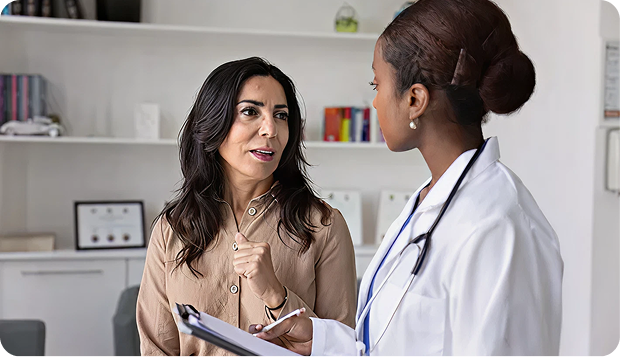
A good blepharoplasty candidate is generally in good health and has realistic expectations about what the procedure can achieve. This usually includes people with baggy or drooping upper eyelids, upper eyelid skin that’s starting to affect peripheral vision, excess skin on the lower eyelids, or bags under the eyes that don’t settle on their own.
Blepharoplasty is typically performed on patients aged 35 and over, though if droopy eyelids run in the family, you may decide to have it done earlier. Your surgeon will also talk through your medical history at your consultation to check that the procedure is right for you.
The best way to find out if you’re suitable, and the results you can realistically expect, is to book an initial consultation with our team.
Blepharoplasty is carried out under local anaesthetic, sometimes with sedation. You’ll feel some pressure or movement as it’s injected, and shouldn’t feel pain during the procedure itself. Some swelling, irritation and bruising are normal afterwards, and painkillers, eye drops and cool compresses can help manage any discomfort.
Eyelid surgery recovery typically takes a few months, but most can get back to their daily routines and work at 10-14 days.
Private blepharoplasty in the UK generally costs between £2,000 and £6,000.
At our clinic, prices are £2,250 for an upper eye lift and from £2,950 for a lower blepharoplasty. For both an upper and lower eye lift, you can expect to pay around £4,250.
For an accurate quote for your specific eyelid surgery, it’s best to book a consultation or view our price list.
Both lower and upper eyelid surgery can rejuvenate and smooth, but they target different areas of your eyes.
You’ll need a lower blepharoplasty if you have heavy bags beneath your eyes or fat pads beneath your lower lash line. If you have loose skin that blocks your vision or heavy hooded upper eyelids, upper blepharoplasty is needed.
Want to maintain clear skin this Christmas? Read our tips on how to keep skin clear and, to book an...
Read MoreBlepharoplasty is a specialist procedure to remove loose folds of skin and protruding fat round the eyes. Get in touch...
Read MoreCompare NHS vs. private eyelid surgery, and expert blepharoplasty at Aesthetics of Essex. Get in touch today for confidence and...
Read More