Works on a wide range of ink colours
PicoSure's short energy pulses are designed to break down a broad range of tattoo ink colours, including some that older lasers can find harder to treat.

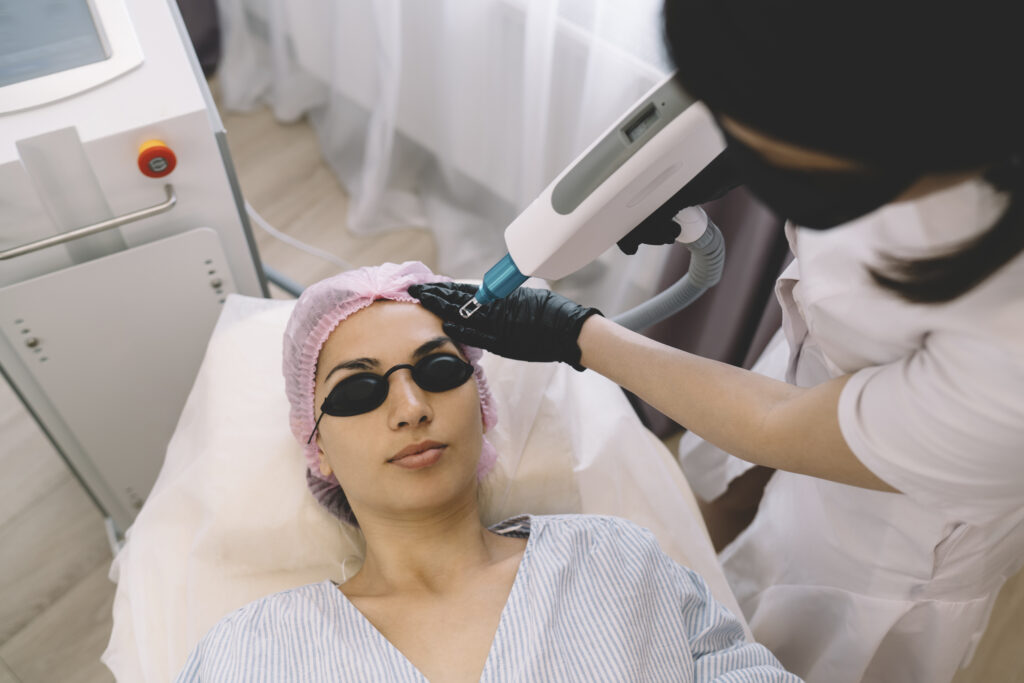
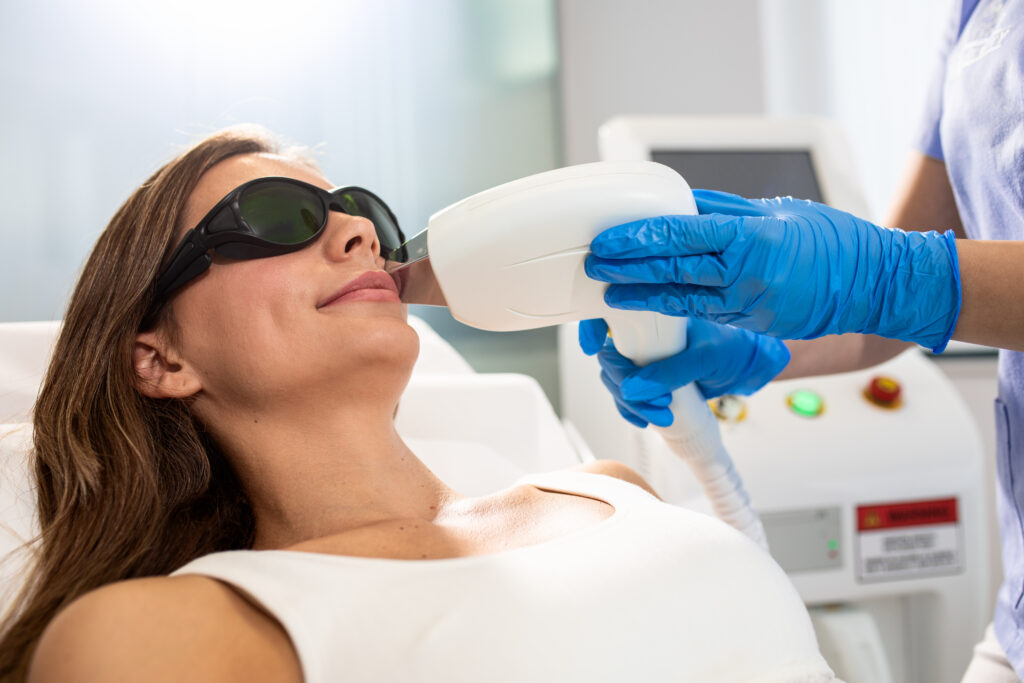
PicoSure is a laser tattoo removal treatment that works by delivering short pulses of energy into the tattoo ink, which is selectively absorbed by the ink pigment, breaking it into tiny particles, much smaller than those created by older lasers, without damaging the surrounding skin. Your body’s immune system then naturally clears the broken-down ink particles over the following weeks.
Tattoo ink sits in the dermis, the layer of skin beneath the surface, where the particles are too large for your body to clear on its own. That’s why tattoos last. Once the laser breaks the ink into smaller fragments, immune cells called macrophages can carry them away through the lymphatic system, so the tattoo lightens gradually after each session.
Before lasers, removing a tattoo meant cutting it out, sanding away the top layers of skin (dermabrasion) or rubbing it with salt (salabrasion), all of which carry a high risk of scarring. Laser treatment works through the surface of the skin instead, with much less damage to the skin around the ink.
Most people need around six sessions, spaced a minimum of eight weeks apart, to give your skin time to heal and your immune system time to clear away the ink between treatments. The treatment itself is quick, typically taking anywhere from 5 to 60 minutes depending on the size of your tattoo.
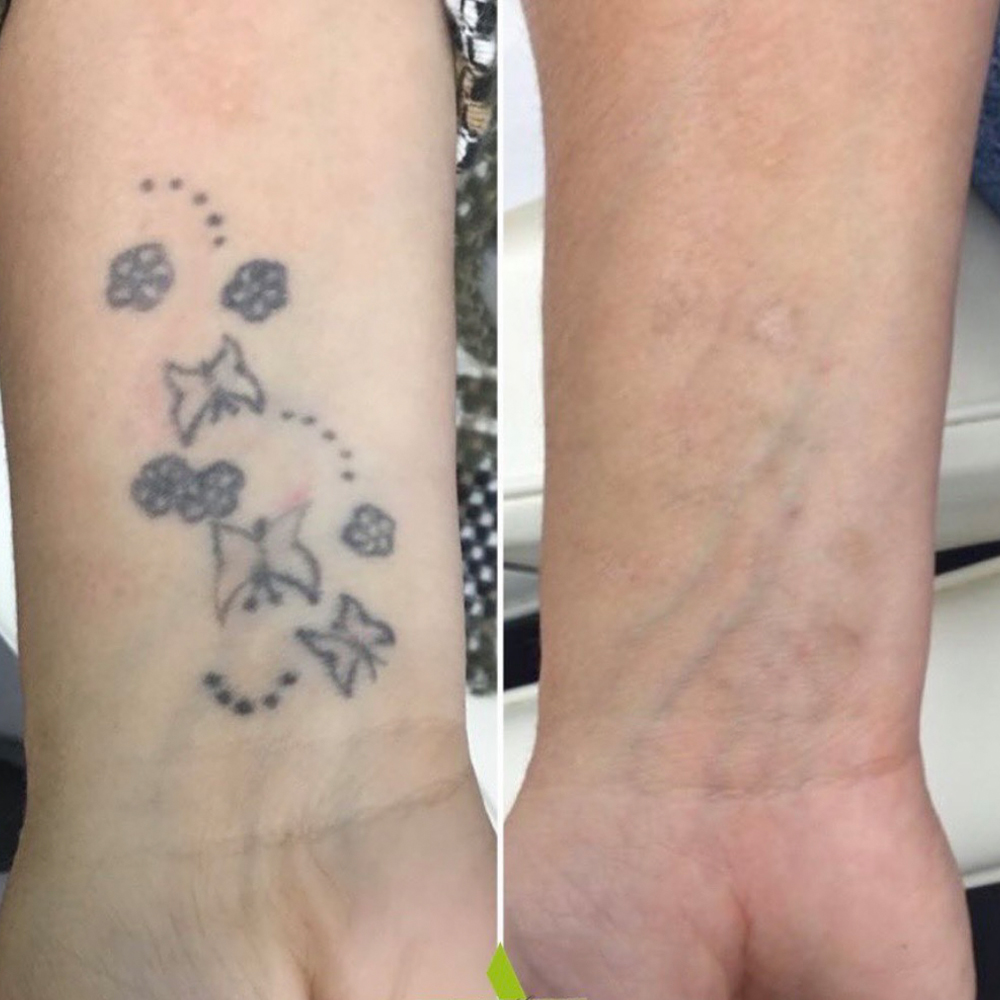
Some colours, such as yellow and white, are harder for any laser to shift. If your tattoo includes inks that may not clear fully, we’ll tell you at your consultation.
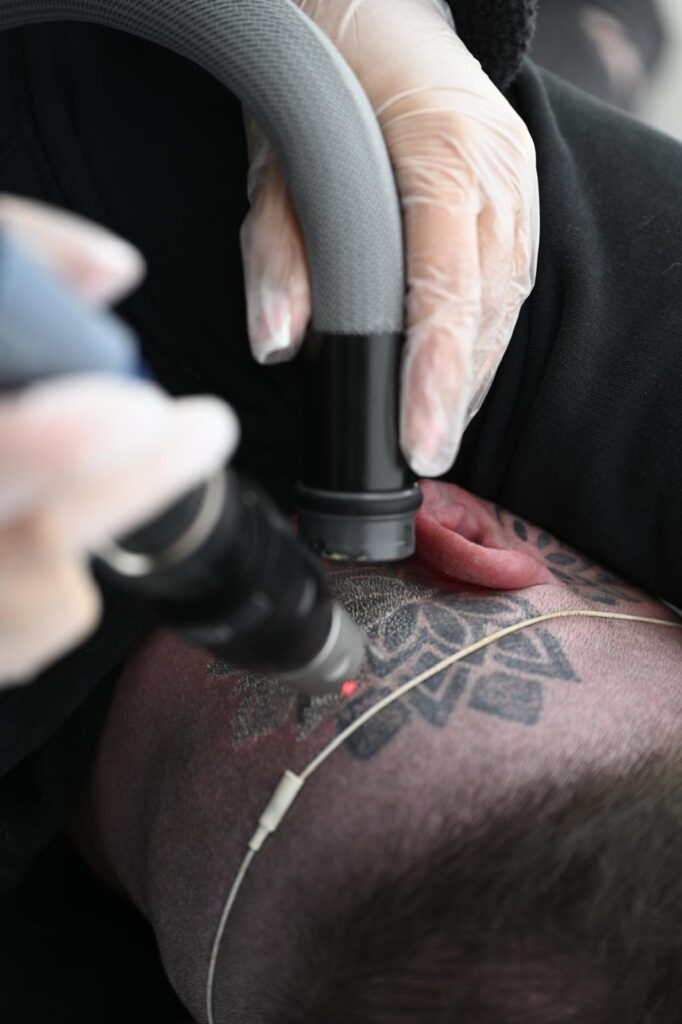
At your consultation, we’ll look at your tattoo, go through your medical history and talk about what you’re hoping for, whether that’s full removal or fading. On the day, your practitioner will check the treatment area with you and confirm you’re happy to go ahead before starting.
The laser tattoo removal itself typically takes between 5 and 60 minutes, depending on the size of your tattoo. Numbing cream isn’t used routinely, but a topical anaesthetic can be applied if you’d prefer it.
Many people describe a gradual build-up of heat on the skin with a prickling sensation, similar to a rubber band snapping against the skin, rather than sharp pain.
Straight after treatment, the skin may turn white for a few minutes and feel like mild sunburn.
The treated area may be swollen, red and sensitive for up to two weeks, and some blistering can occur, typically settling within 48 hours. Avoid showering the treated area for 24 to 48 hours after your session.
PicoSure's short energy pulses are designed to break down a broad range of tattoo ink colours, including some that older lasers can find harder to treat.
PicoSure breaks ink into smaller particles than older Q-switched lasers, which can mean fewer sessions for some tattoos, depending on the ink and colours involved.
Sessions usually take under an hour, so many people go straight back to their normal routine afterwards.
PicoSure's shorter pulses are designed to target the ink itself rather than the surrounding tissue, which may mean less impact on the skin around your tattoo than with older laser types.
No two tattoos respond to laser treatment in the same way. Ink colour, depth, age and skin tone all affect how many sessions you’re likely to need.
This is why we won’t promise you a fixed number of sessions upfront. At your free consultation, we’ll look at your specific tattoo and give you an honest idea of what to expect, not just an estimate.
We offer tattoo removal in Essex at our boutique clinics in Upminster, Rayleigh and Maldon. Whichever you choose, your treatment is planned and carried out by a trained clinician experienced in PicoSure tattoo removal. You can see examples of our results in our gallery.

XSmall
Small
Medium
Large
Eyebrow Tattoo Removal
XLarge
XXLarge

Michelle KeenVerified Customer

I have had such a wonderful experience. I found It is a clean and professional environment. My lower bleph surgery I am thrilled with and it was competitively priced compared to other places. Love the staff particularly Amanda. Highly recommend

OnurVerified Customer
I recently had lipoma removal surgery with Surgeon Ricardo, and I am absolutely thrilled with the entire experience. From the moment I met him, professionalism and genuine care put me at ease. He took the time to thoroughly explain every detail of the procedure, answering all my questions and addressing any concerns I had.
Rose HigleyVerified Customer
Just had my second treatment of profilo done with Amy and the results are amazing. Amy’s lovely and friendly she talked me through the treatment and made me feel at ease. Friendly and welcoming clinic. All the staff are very helpful with any questions asked. Highly recommend.
Jacqui DeanVerified Customer
Friendly and efficient staff, always happy to help, they do lots of different treatments, I have recommended many friends to go there.
You’ll probably need more than one treatment. Most people need around six, though some people need fewer and others may need more depending on their tattoo’s size, colours and depth.
It isn’t pain-free, and it’s better you know that before you start. Most people compare it to a rubber band flicking against the skin, and some find it about as uncomfortable as getting the tattoo in the first place. How it feels depends on where your tattoo is and how sensitive your skin is. Sessions are short, and a topical anaesthetic can be applied if you’d prefer it.
Laser tattoo removal with PicoSure is a well-established treatment, and side effects are usually mild and settle quickly, most commonly redness, swelling, itchiness or temporary sensitivity in the treated area for around two weeks.
As with any laser treatment, there’s a small chance of scarring, infection or a change in skin pigment, though this is uncommon. The risk of pigment change can be higher in darker skin tones, so we assess your skin type before recommending treatment.
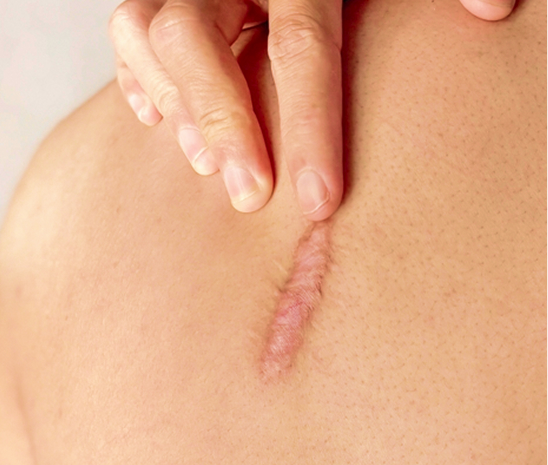
We’ll check that your tattoo and skin are suitable at your free consultation. If you already have scarring from a previous tattoo or removal treatment, our scar treatment may help.
Most tattoos fade significantly with a course of PicoSure treatments, but we can’t promise every tattoo will clear completely. Results depend on your tattoo’s ink, colours and depth.
You’ll usually see the biggest change after your first session, with further fading after each treatment. Once ink has cleared, it won’t come back, so be sure before you start, particularly if you only want part of a tattoo removed.
This varies for each person. Tattoo size and location affect timing, but the procedure itself is normally quick, taking anywhere from 5 to 60 minutes.
Older Q-switched lasers deliver energy in nanoseconds (billionths of a second) and rely mainly on heat to break up ink.
PicoSure works in picoseconds (trillionths of a second), so the ink is shattered by a rapid pressure effect into smaller particles that your body can clear more easily. For some tattoos, depending on the ink and colours involved, this can mean fewer sessions and less impact on the surrounding skin.
Your practitioner can talk through how this applies to your tattoo at your consultation.
No. Both use PicoSure technology, but they’re separate treatments. Tattoo removal targets ink in the skin, while PicoSure Laser Rejuvenation uses different settings to improve skin tone, pigmentation and texture.
Avoid showering the treated area for 24 to 48 hours after your session, and keep it clean and protected while it heals. Some redness, swelling or mild blistering is normal in the first 48 hours, and the area may feel sensitive for up to two weeks.
Don’t pick or burst any blisters, and protect the area from the sun between sessions. Drinking plenty of water and getting enough sleep also support your skin while it heals.
Your practitioner will talk you through full aftercare advice at your appointment.

Stay updated on the significant changes in the aesthetics industry this June. Aesthetics of Essex shares essential insights for practitioners...
Read More
Discover the stages of lip filler swelling, what to expect after treatment, and key aftercare tips to help you achieve...
Read More
Explore PRP hair treatment, a revolutionary solution for hair restoration. Uncover its benefits over other methods and achieve fuller, healthier...
Read More
Explore Vitamin B12 injections in Essex for a more effective alternative to daily supplements. Boost your energy and overall health...
Read More
Explore our expert lipoma removal services and boost your confidence, allowing you to feel your best and shine in the...
Read More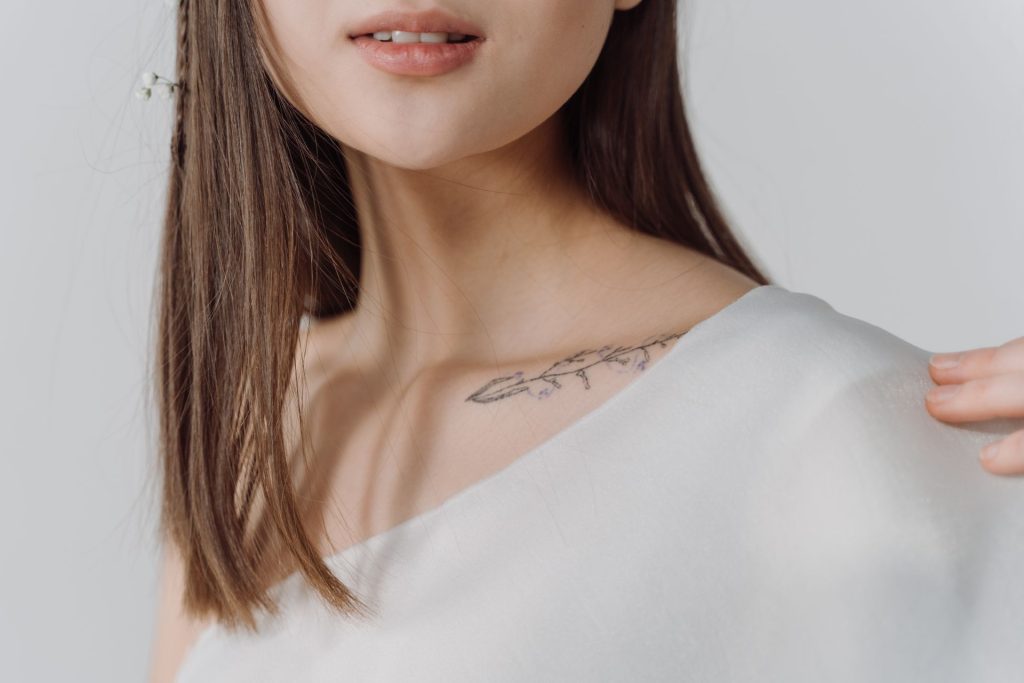
Experience the benefits of laser tattoo and hair removal this winter. Our professional services ensure safe, effective results for beautiful,...
Read More
Discover the benefits of blepharoplasty this winter. Our expert eyelid surgery enhances your appearance and boosts confidence. Book your consultation...
Read MoreDiscover the benefits of colonic irrigation for detoxing this New Year. Revitalise your health and embrace a fresh start with...
Read More