Settings matched to your skin
The Nordlys system's Selective Waveband Technology lets your practitioner fine-tune the light for your skin type and concern.

IPL treatment is a skin rejuvenation procedure designed to target a range of skin conditions and offer long-lasting results.
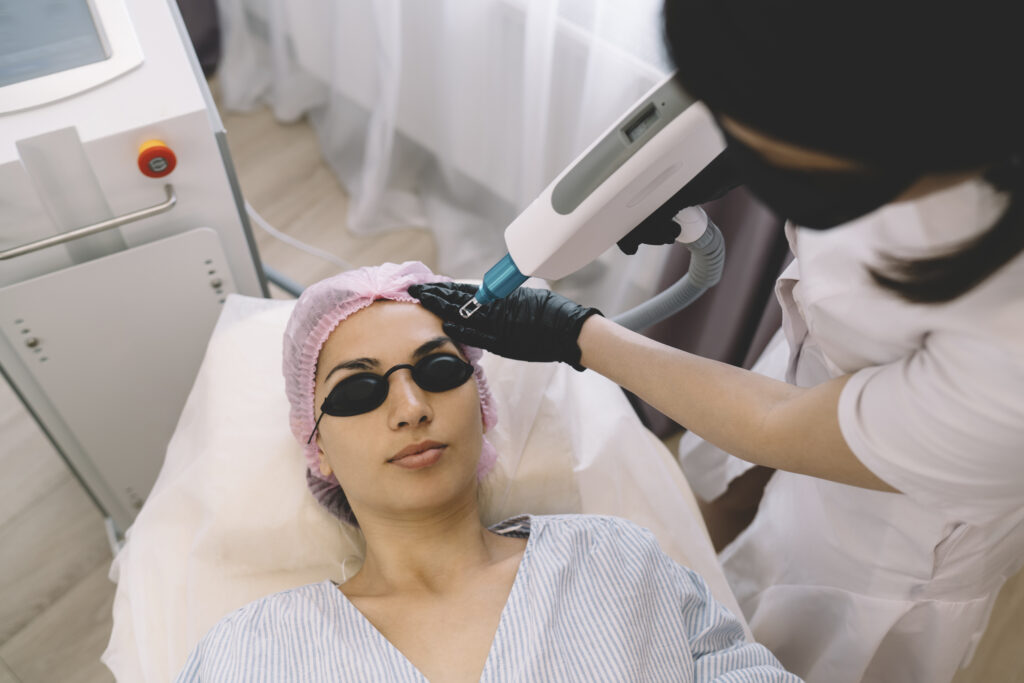
IPL stands for intense pulsed light. Put simply, it’s a flash of filtered light that stimulates the skin’s natural rejuvenation process. Melanin and visible blood vessels absorb the light and convert it to heat that breaks down the target cells. The skin around them is left largely alone, and your body clears away what’s left over the following weeks.
At our Upminster clinic, we use the Nordlys system, which narrows that light with Candela’s Selective Waveband Technology, so your professional can set the treatment for your skin rather than using one setting for everyone.
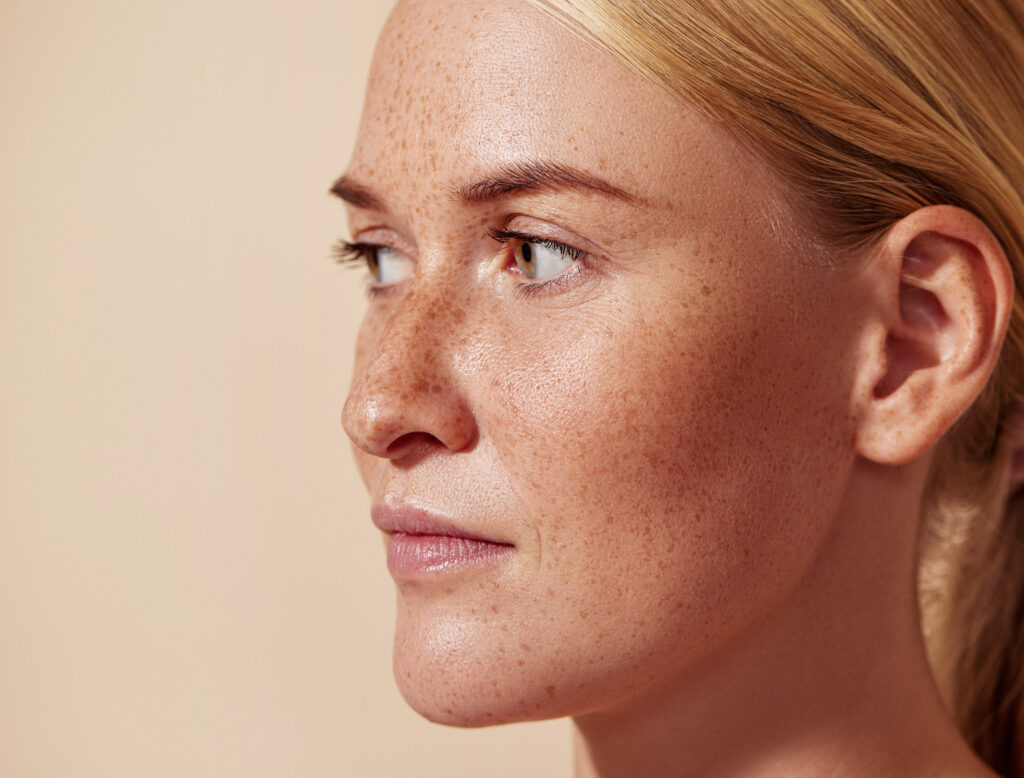
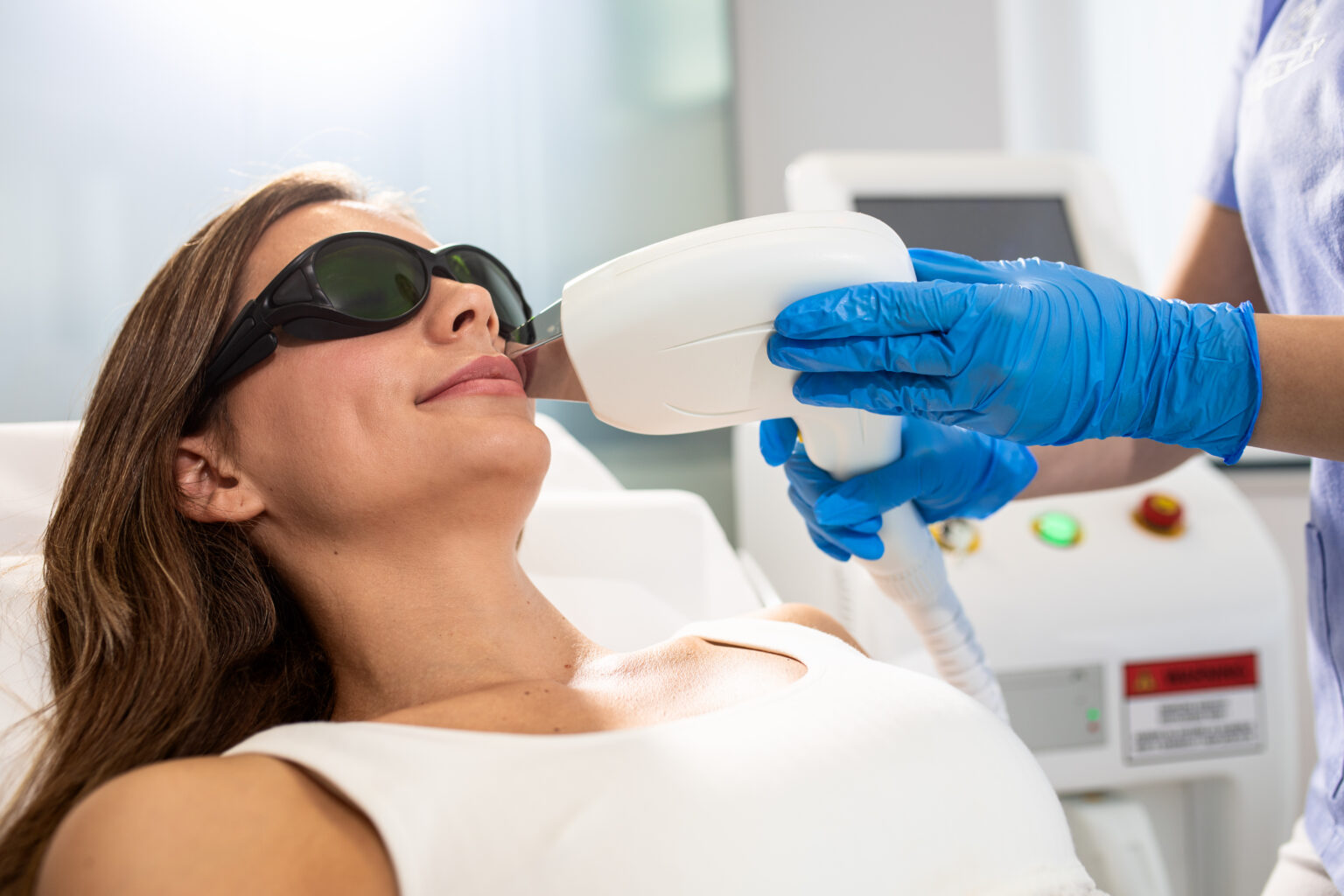
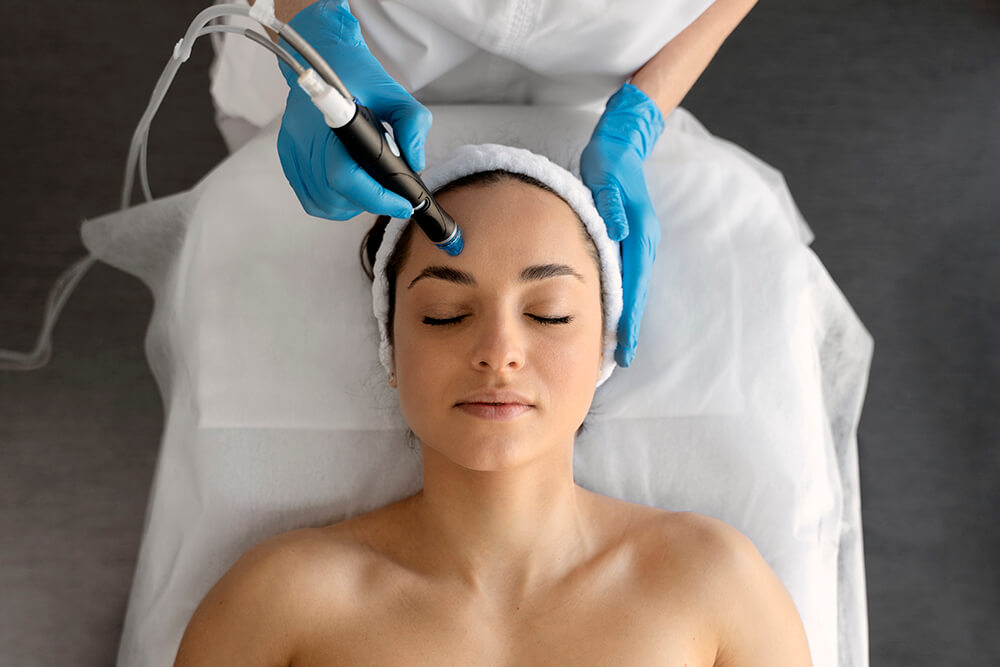
At your consultation, your practitioner will look at your skin and ask about your medical history and any recent sun exposure. If you decide to go ahead with treatment, this is how the procedure will happen:
Your skin may look a little pink for a day or two, as if you’ve caught the sun. Brown spots often darken before flaking away within a couple of weeks, which is completely normal.
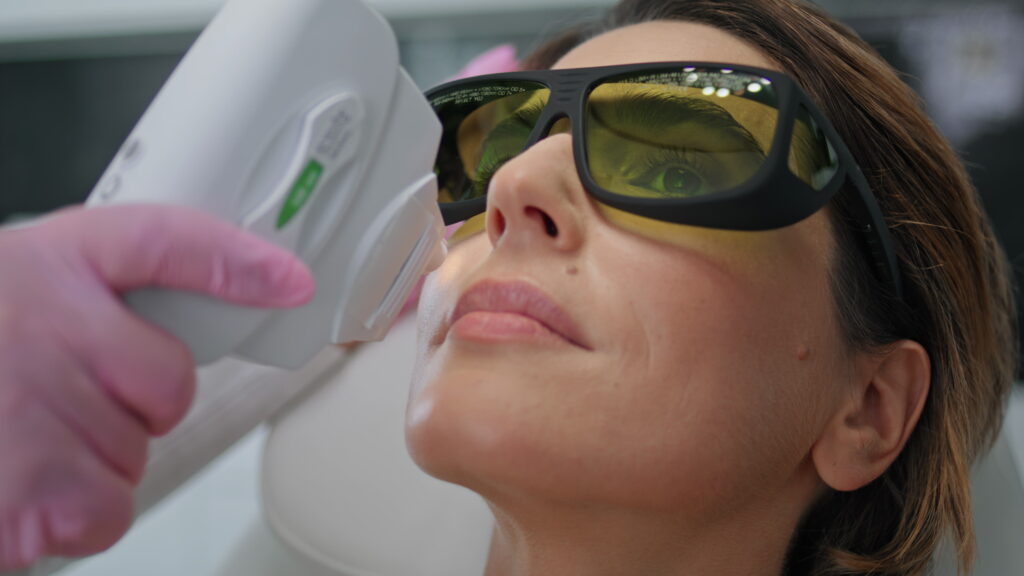
The Nordlys system's Selective Waveband Technology lets your practitioner fine-tune the light for your skin type and concern.
There are no needles, incisions or creams to peel. The light works beneath the surface while the top layer of your skin stays intact, so most people head straight back to work or home afterwards.
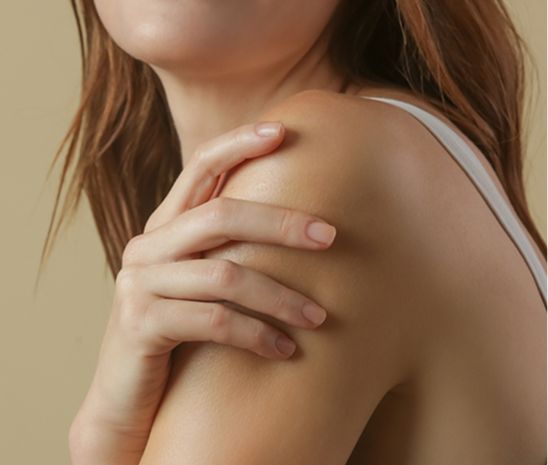
Your face isn’t the only place that shows years of sun. IPL can also be used on the neck, chest, hands and arms, where redness and pigmentation are often harder to cover with make-up or clothing.
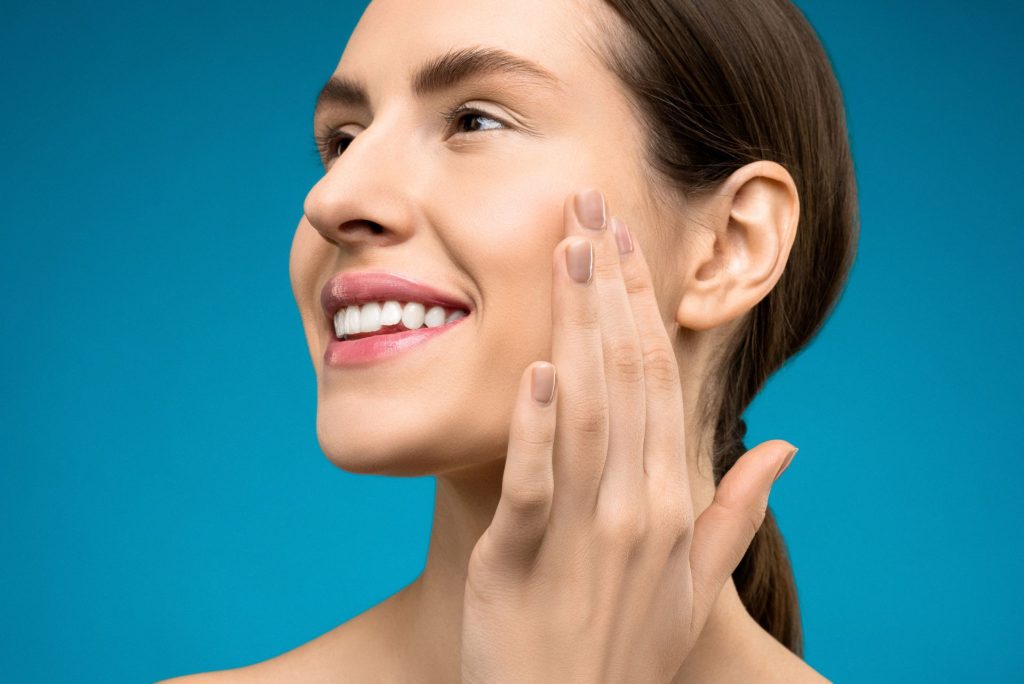
Your body clears the treated pigment and blood vessels over the weeks after each session, so changes build steadily rather than appearing overnight. Friends are more likely to say you look well than ask what you’ve had done.
IPL and a fresh tan don’t mix, so we’ll always be upfront about timing. If you’ve just come back from holiday, we’ll ask you to wait rather than treat you anyway. That’s why plenty of clients book their skin rejuvenation course for autumn and winter.
We’ll also be honest if IPL isn’t your best option. Some pigmentation, including melasma, can respond better to PicoSure laser rejuvenation, and we’d rather point you there than book you onto the wrong course.
We’ve been looking after clients across Essex since 2012, and your consultation is always free.
Chest IPL
From £220
Full Face IPL
From £165
Neck IPL
From £150
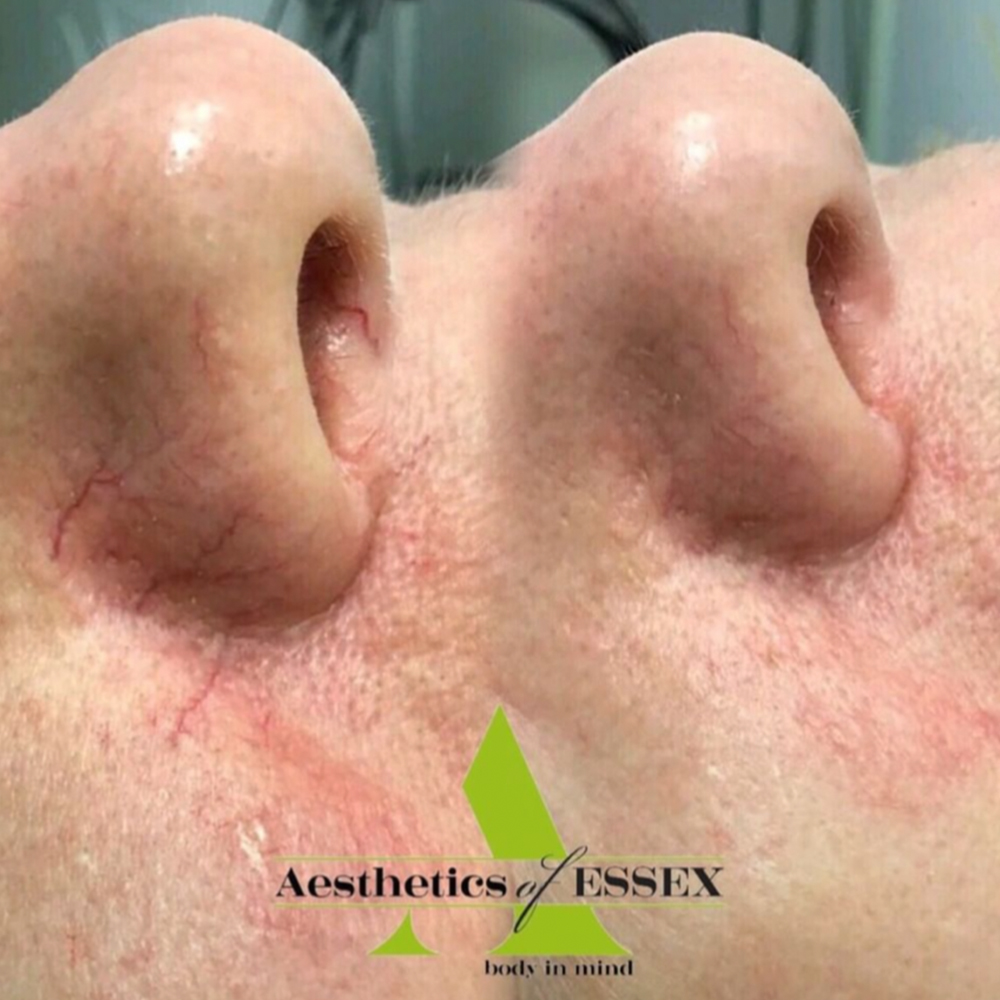
Nose IPL
From £100
Hands IPL
From £150
Arms IPL
From £300
Michelle KeenVerified Customer

I have had such a wonderful experience. I found It is a clean and professional environment. My lower bleph surgery I am thrilled with and it was competitively priced compared to other places. Love the staff particularly Amanda. Highly recommend
OnurVerified Customer
I recently had lipoma removal surgery with Surgeon Ricardo, and I am absolutely thrilled with the entire experience. From the moment I met him, professionalism and genuine care put me at ease. He took the time to thoroughly explain every detail of the procedure, answering all my questions and addressing any concerns I had.
Rose HigleyVerified Customer
Just had my second treatment of profilo done with Amy and the results are amazing. Amy’s lovely and friendly she talked me through the treatment and made me feel at ease. Friendly and welcoming clinic. All the staff are very helpful with any questions asked. Highly recommend.
Jacqui DeanVerified Customer
Friendly and efficient staff, always happy to help, they do lots of different treatments, I have recommended many friends to go there.
IPL skin treatment is designed for people who want to improve the appearance of their skin without invasive procedures.
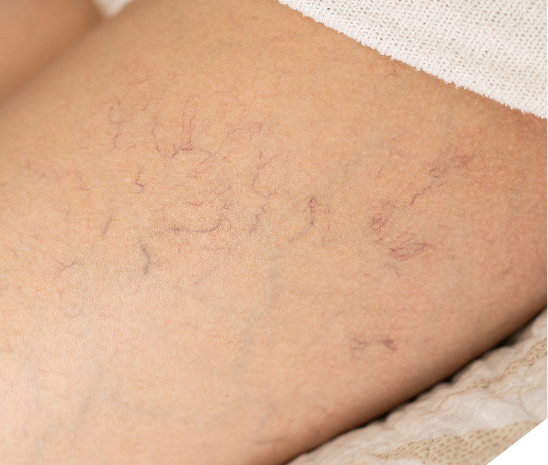
IPL tends to suit you if you have redness, rosacea, thread veins or sun damage, especially if you’d like to treat more than one of these at once. It works best on lighter to medium skin tones that haven’t recently been tanned.
It may not be right for you if you’re pregnant, have a tan or fake tan, or are taking medication that makes your skin sensitive to light.
During a thorough consultation, we’ll check whether you’re suitable for IPL in Essex.
Redness can start to look calmer within a week or two of your first session. Brown spots usually darken and flake away over a similar timeframe. Most clients see the clearest change once they’ve finished their course, as each session builds on the last.
IPL isn’t always the best fit, so your practitioner may suggest other treatments:
Your free consultation will help you find the right one, even if it isn’t IPL.
Treat your skin gently for a few days. Avoid hot baths, saunas and intense exercise for 24 to 48 hours. Don’t pick at any darkened spots as they flake away, and wear SPF 30 or higher every day as treated skin is more sensitive to the sun.
Your practitioner will talk you through post-treatment care before you leave.
We won’t pretend it’s completely painless, but most people find IPL very manageable. Each pulse feels like a quick, warm snap against the skin, a bit like being flicked with an elastic band. Areas with thinner skin, such as around the nose or upper lip, can feel more sensitive than the cheeks or chest.
A cooling gel is used throughout to keep you comfortable, and your clinician will check that you’re okay throughout. Afterwards, your skin may feel warm and look slightly pink, a little like mild sunburn, but this usually settles within a few hours.
Stay updated on the significant changes in the aesthetics industry this June. Aesthetics of Essex shares essential insights for practitioners...
Read More
Discover the stages of lip filler swelling, what to expect after treatment, and key aftercare tips to help you achieve...
Read More
Explore PRP hair treatment, a revolutionary solution for hair restoration. Uncover its benefits over other methods and achieve fuller, healthier...
Read More
Explore Vitamin B12 injections in Essex for a more effective alternative to daily supplements. Boost your energy and overall health...
Read More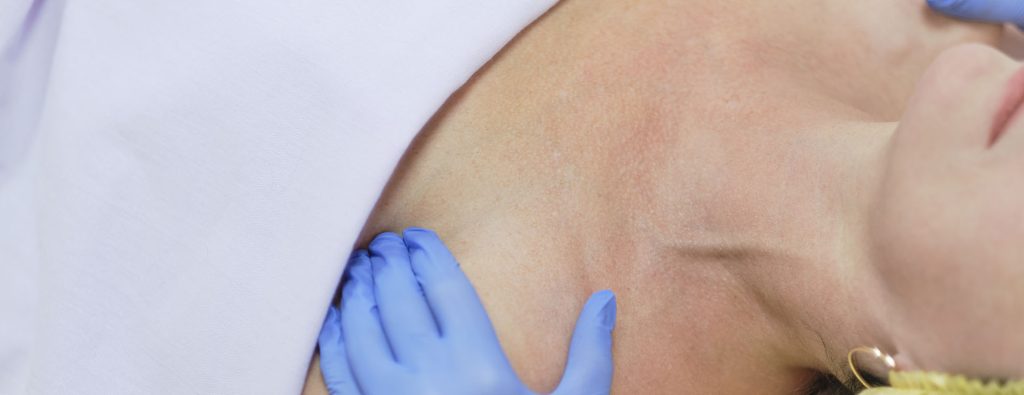
Explore our expert lipoma removal services and boost your confidence, allowing you to feel your best and shine in the...
Read More
Experience the benefits of laser tattoo and hair removal this winter. Our professional services ensure safe, effective results for beautiful,...
Read More
Discover the benefits of blepharoplasty this winter. Our expert eyelid surgery enhances your appearance and boosts confidence. Book your consultation...
Read MoreDiscover the benefits of colonic irrigation for detoxing this New Year. Revitalise your health and embrace a fresh start with...
Read More