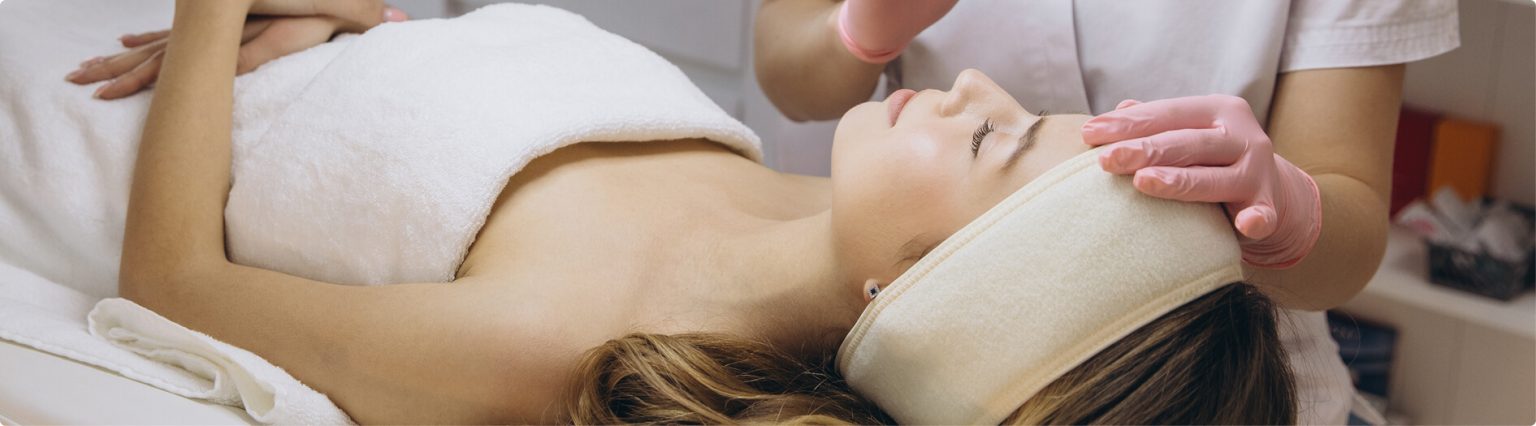
More than one lesion type in one visit
Skin tags, warts and other minor lesions can all be assessed and treated during the same consultation. So, you don't need to work out which treatment to book in advance.

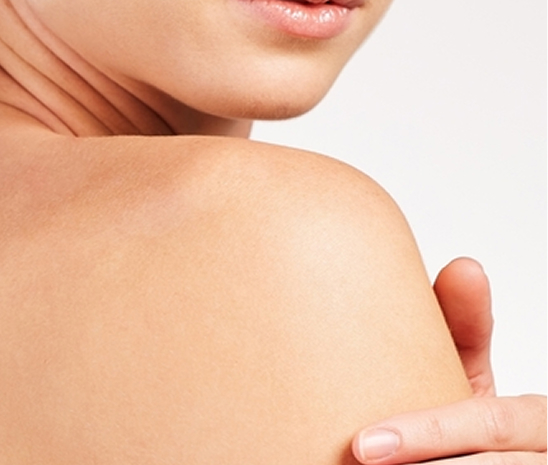
A skin tag is a small, soft growth of skin that often appears on the neck, underarms or eyelids.
A wart is a small bump on the skin caused by a common virus. They can appear anywhere on the body, but they’re often found on the hands and feet.
A large lesion is a broader term covering bigger or more prominent growths on the skin.
All three are usually harmless, but as they can look similar, it’s worth having them looked at before deciding how to remove them.
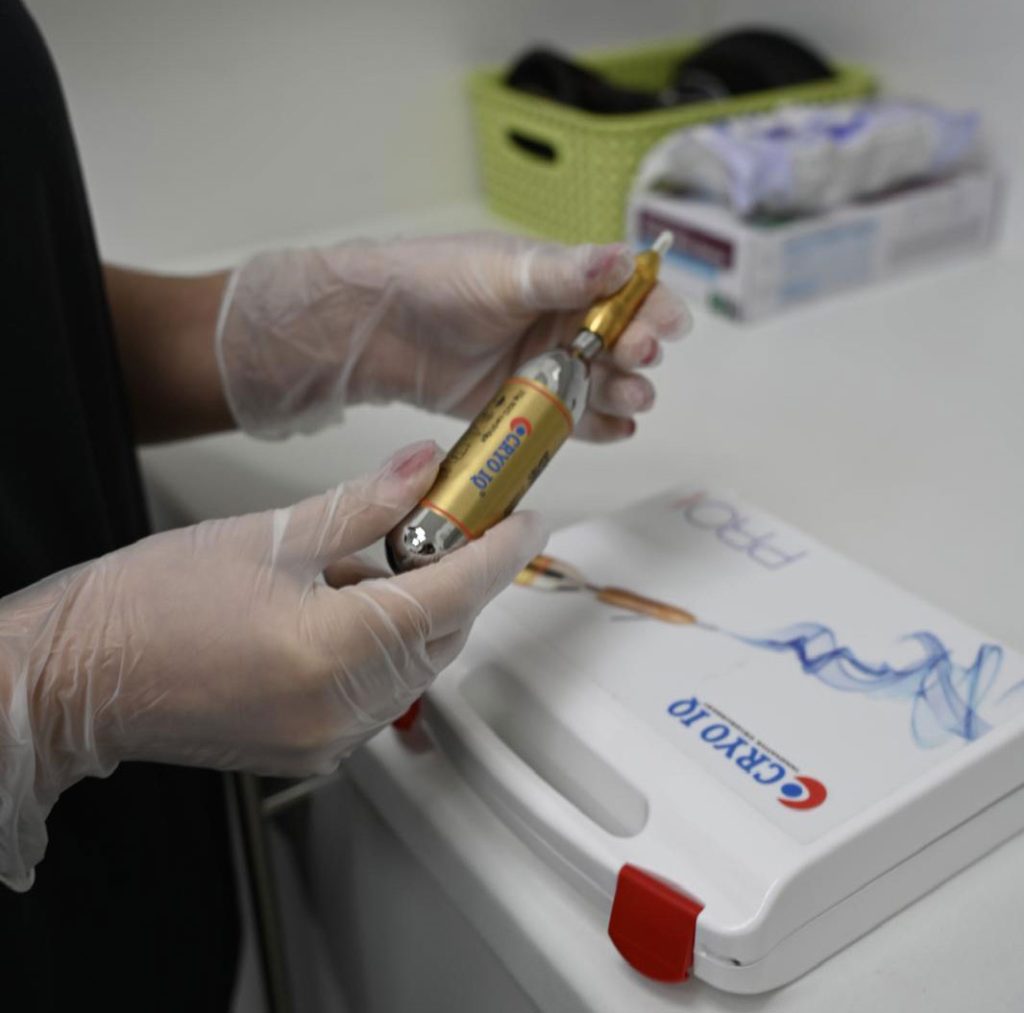
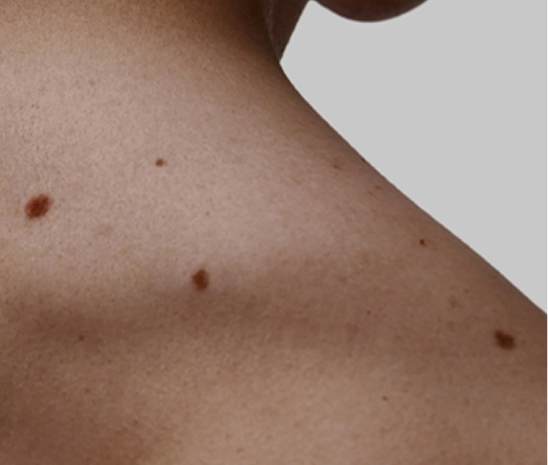
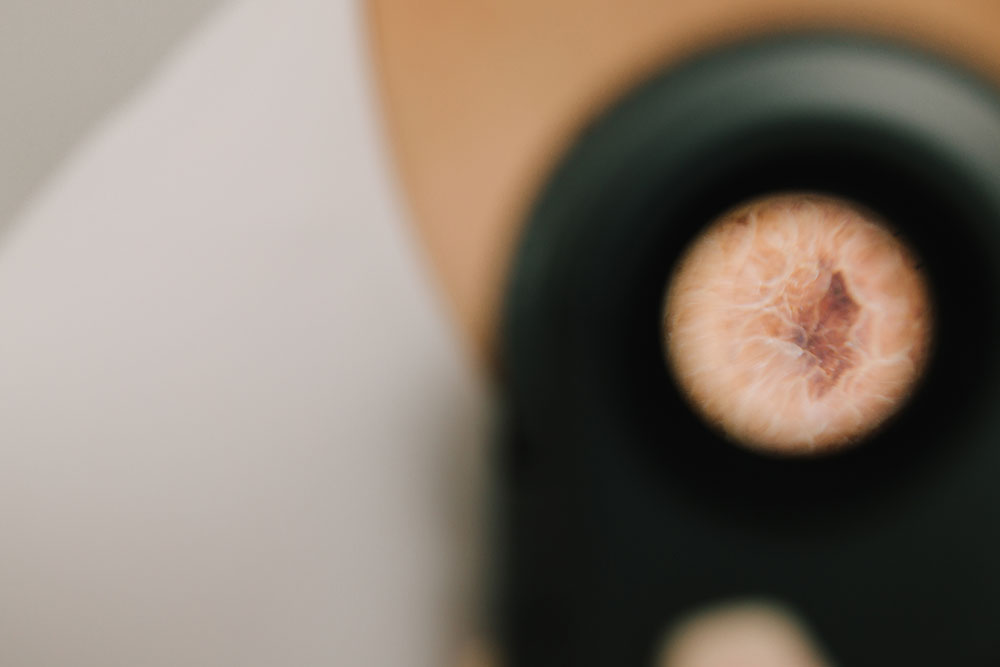
Worried about a mole or lesion and don’t want to wait for a GP appointment? We offer mole and lesion screening in clinic using a dermoscope, a medical tool used by dermatologists and other medical professionals to examine the skin closely (also known as a dermatoscope).
Dermoscopy is a well-established tool for the early detection of skin cancer and for improving diagnostic accuracy generally.
After we capture an image of your mole or lesion and upload it, a UK consultant dermatologist sends back a digital report, usually within 24 hours, giving their opinion on what it is and advice on what to do next.
The treated area is covered, and you’ll be given aftercare advice to support healing. Most people get straight back to their normal daily activities, with full healing between 1 to 2 weeks.
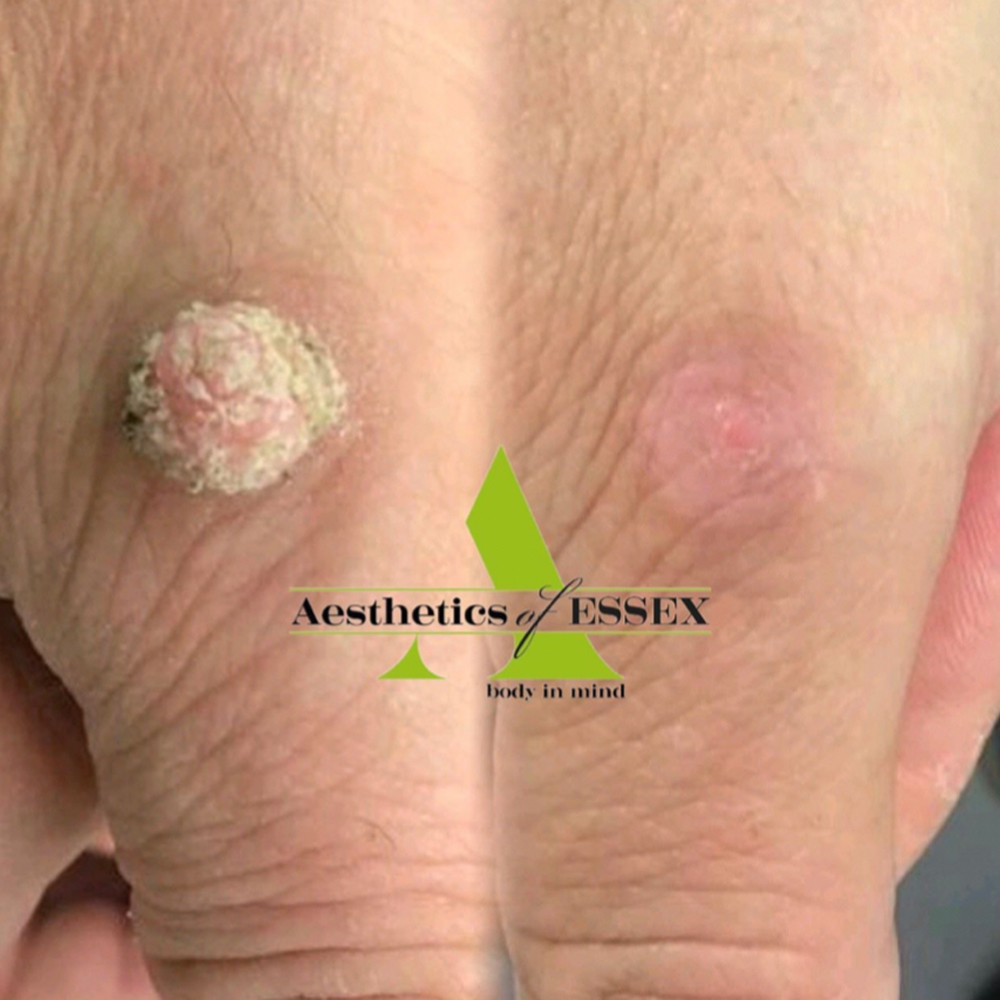
Skin tags, warts and other minor lesions can all be assessed and treated during the same consultation. So, you don't need to work out which treatment to book in advance.
Most appointments take between 15 and 60 minutes, depending on the size and number of areas being treated.
Whether a skin tag is catching on your clothing or a wart is knocking your confidence, removal is available for whatever the reason.
Book in at Upminster, Rayleigh or Maldon, all easily reached from across Essex.
Skin tags, warts and other minor lesions don’t always look exactly like what they are. Something that seems like a straightforward skin tag can occasionally turn out to need a closer look, so if you’re ever unsure, our mole and lesion screening service is a proper first step:
A dermatologist reviews your photos and sends back a report before you decide anything. It means you’re never just guessing before deciding how to go ahead with removal.
We have three clinics across Essex, in Upminster, Rayleigh and Maldon, each set up as a calm, boutique space instead of a clinical waiting room.

Mole and lesion screening
£85
Covers up to 3 moles or lesions checked in one appointment. A digital report follows from a UK consultant dermatologist, usually within 24 hours.

Michelle KeenVerified Customer

I have had such a wonderful experience. I found It is a clean and professional environment. My lower bleph surgery I am thrilled with and it was competitively priced compared to other places. Love the staff particularly Amanda. Highly recommend

OnurVerified Customer
I recently had lipoma removal surgery with Surgeon Ricardo, and I am absolutely thrilled with the entire experience. From the moment I met him, professionalism and genuine care put me at ease. He took the time to thoroughly explain every detail of the procedure, answering all my questions and addressing any concerns I had.
Rose HigleyVerified Customer
Just had my second treatment of profilo done with Amy and the results are amazing. Amy’s lovely and friendly she talked me through the treatment and made me feel at ease. Friendly and welcoming clinic. All the staff are very helpful with any questions asked. Highly recommend.
Jacqui DeanVerified Customer
Friendly and efficient staff, always happy to help, they do lots of different treatments, I have recommended many friends to go there.
This depends on the type, size and number of lesions being treated. Many skin tags and smaller warts are removed in a single appointment, while larger or more stubborn lesions may need a short course of treatment. Your practitioner at Aesthetics of Essex will let you know at your consultation.
Most people describe mild discomfort rather than significant pain, and local anaesthetic can be used if needed. Some tenderness in the treated area afterwards is normal, and it usually settles quickly.
As warts are caused by a virus that can remain in the surrounding skin, it’s possible for a new wart to appear nearby or elsewhere on the body over time.
Skin tags and other lesions can also develop again in the future, but it isn’t guaranteed.
Most people can get back to their normal daily activities straight away. It’s worth allowing 1 to 2 weeks for the treated area to heal fully, and your practitioner will give you specific aftercare advice for the area treated.
Some scarring is possible, particularly with larger lesions or surgical excision, though many smaller skin tags and warts heal with little to no visible mark. Your practitioner can talk you through what to expect for your specific lesion at your consultation.
Skin tags, warts and other minor lesions are commonly treated using either cryotherapy (freezing) or minor surgical excision, depending on the lesion. One of our experienced team members will confirm which approach is right for you at your consultation.
£85, which covers up to 3 moles or lesions checked in a single appointment.
No, no one can. A formal diagnosis of any cancer, including skin cancer, requires a biopsy (a sample removed under anaesthetic) and histological assessment. However, our screening experts can help identify a suspicious mole or lesion that might need further investigation, such as a biopsy.
The dermoscope we use was developed and tested over two design phases and has since been used in the UK to capture images suitable for remote skin lesion assessment.
Stay updated on the significant changes in the aesthetics industry this June. Aesthetics of Essex shares essential insights for practitioners...
Read More
Discover the stages of lip filler swelling, what to expect after treatment, and key aftercare tips to help you achieve...
Read More
Explore PRP hair treatment, a revolutionary solution for hair restoration. Uncover its benefits over other methods and achieve fuller, healthier...
Read More
Explore Vitamin B12 injections in Essex for a more effective alternative to daily supplements. Boost your energy and overall health...
Read More
Explore our expert lipoma removal services and boost your confidence, allowing you to feel your best and shine in the...
Read More
Experience the benefits of laser tattoo and hair removal this winter. Our professional services ensure safe, effective results for beautiful,...
Read More
Discover the benefits of blepharoplasty this winter. Our expert eyelid surgery enhances your appearance and boosts confidence. Book your consultation...
Read MoreDiscover the benefits of colonic irrigation for detoxing this New Year. Revitalise your health and embrace a fresh start with...
Read More