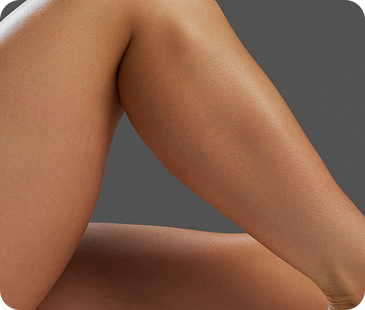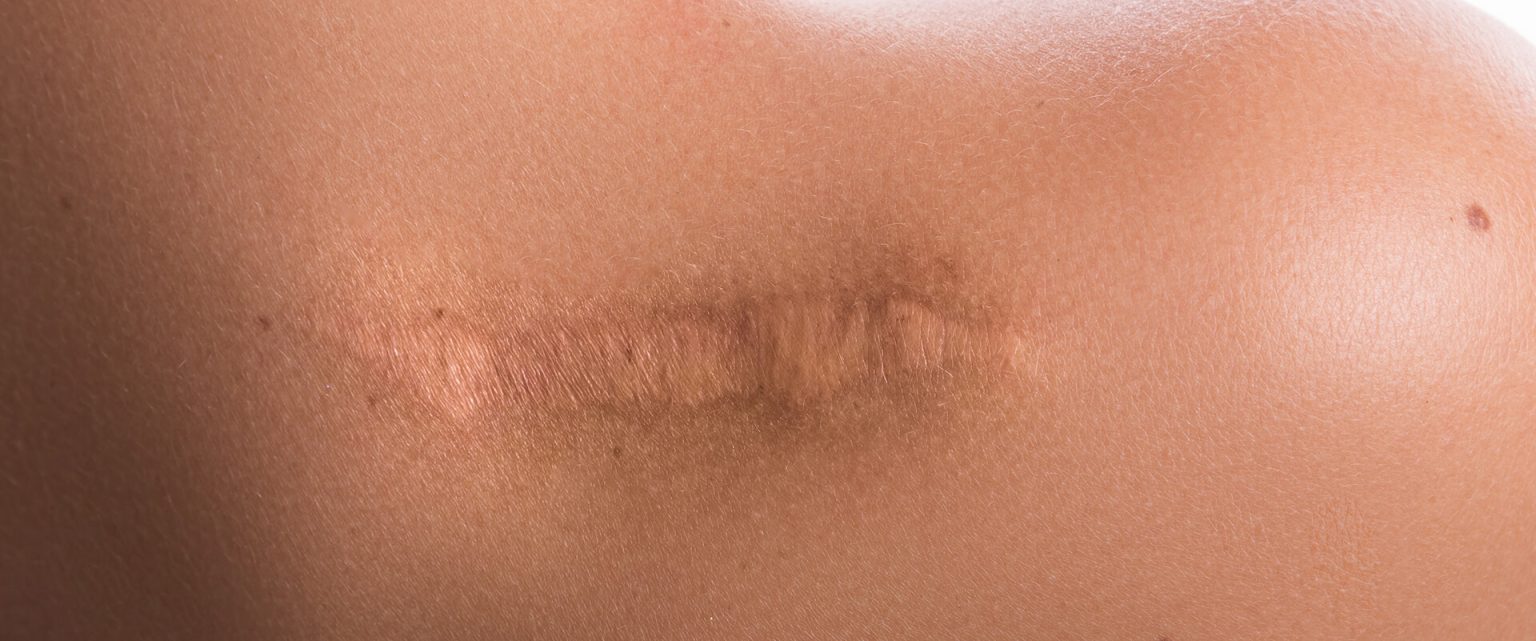
Helps flatten and soften raised scars
Steroid injections work to break down excess collagen, which can help keloid and hypertrophic scars flatten and soften over a course of treatment.

A keloid scar forms when the skin produces too much collagen while healing from a cut, burn, piercing, surgical wound or bout of acne.
Instead of settling on the level of the surrounding skin, the scar tissue keeps growing beyond the edges of the original wound. They typically look like raised firm bumps that are pink, red or darker than your normal skin tone.
Hypertrophic scars are often confused with keloids, and it’s easy to see why. Both are raised, can be red or itchy, and develop from excess collagen during the healing process. The difference is that a hypertrophic scar stays within the boundaries of the original injury – keloid scars grow beyond it and can keep growing for months or years.
Keloid scars can form anywhere on the body, but they’re seen most often on areas where the skin is under more tension, like the chest, shoulders, earlobes and jawline.
Keloid formation is also more common in darker skin types, and if you’ve had a keloid scar before, you’re at higher risk of forming another one after a new skin injury.
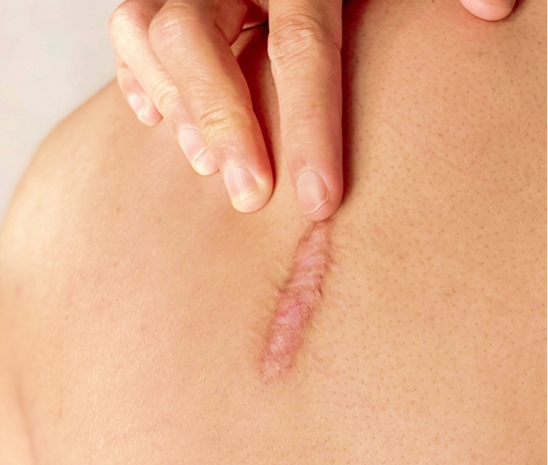
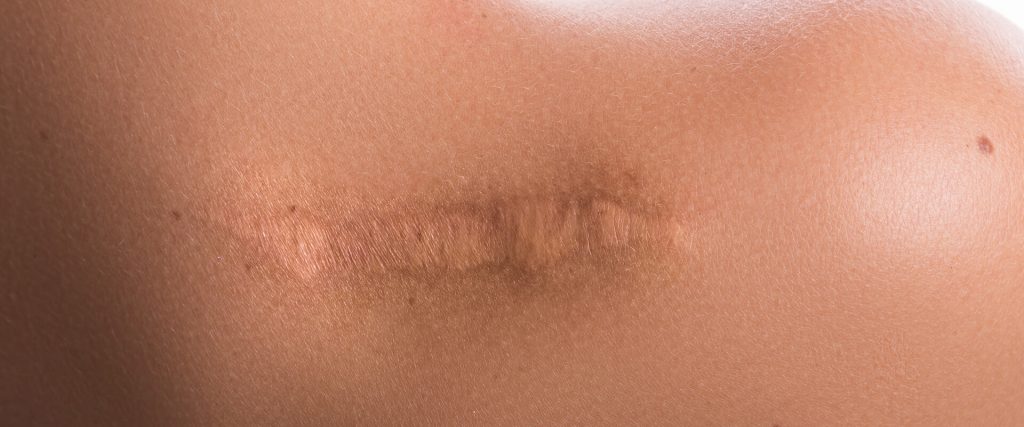
Most people head straight back to their day afterwards, with any mild redness or tenderness settling within 24 to 48 hours. Keloid and hypertrophic scars usually respond gradually over a course of injections rather than after a single session.
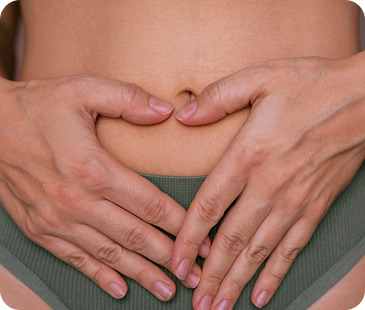
Steroid injections work to break down excess collagen, which can help keloid and hypertrophic scars flatten and soften over a course of treatment.
Many people find that itching, tightness or discomfort eases as their keloid scar responds to treatment.
Steroid injections or surgical excision, whichever suits your scar and your goals, talked through properly at your free consultation.
Book in whichever of our Upminster, Rayleigh or Maldon clinics suits you best.
We offer treatment for keloid and hypertrophic scars across all three of our Essex clinics, in Upminster, Rayleigh and Maldon – so you can book wherever’s easiest to reach!
As keloid scars vary from person to person, from where they are to how they’ve responded to previous treatment, we’d rather have an honest conversation at your free consultation than promise a one size fits all approach.
Keloid Scar Removal
Starting price for a course of keloid treatment injections. Exact cost confirmed at your free consultation. See our full price list for other treatments.
Large Area
Price on consultation
Quoted at your free consultation based on the size and location of the scar.
Keloid removal with surgery
From £850 – £1,500
Surgical excision to remove the keloid. Confirmed on consultation.

Michelle KeenVerified Customer

I have had such a wonderful experience. I found It is a clean and professional environment. My lower bleph surgery I am thrilled with and it was competitively priced compared to other places. Love the staff particularly Amanda. Highly recommend
OnurVerified Customer
I recently had lipoma removal surgery with Surgeon Ricardo, and I am absolutely thrilled with the entire experience. From the moment I met him, professionalism and genuine care put me at ease. He took the time to thoroughly explain every detail of the procedure, answering all my questions and addressing any concerns I had.
Rose HigleyVerified Customer
Just had my second treatment of profilo done with Amy and the results are amazing. Amy’s lovely and friendly she talked me through the treatment and made me feel at ease. Friendly and welcoming clinic. All the staff are very helpful with any questions asked. Highly recommend.
Pixie HemmingsVerified Customer
I have recently changed to Aesthetics of Essex and have been so pleased with my appointments. I have had Botox, and it has really worked well with no discomfort or bruising, Hannah is amazing, and I will be a customer for a long time to come.
The main treatments for keloid scars are steroid injections, which help break down the excess collagen and flatten the scar over a course of sessions.
There’s also surgical excision, where the keloid is cut out.
At Aesthetics of Essex, we offer both, and one of our experts will talk you through which approach suits your scar at your free consultation.
It depends on the scar and the treatment. Steroid injections can flatten and soften a keloid scar considerably, but can’t guarantee permanent removal.
Surgical excision removes the visible keloid, but these scars have a high chance of coming back, so it isn’t always the permanent fix it might seem. We’ll always be upfront with you about what to realistically expect before you go ahead with treatment.
Costs vary depending on the size and location of the scar, and how many sessions you need. At Aesthetics of Essex, a course of steroid injections for keloid scarring removal starts from £295. Your exact cost will be confirmed at your free consultation, once we’ve had a proper look at your scar.
Both are raised scars caused by the skin producing too much collagen during healing, and both can be red, itchy or uncomfortable. The difference is size: a hypertrophic scar stays within the boundary of the original wound, while a keloid scar grows beyond it, sometimes long after the original injury has healed.
Some people are more prone to keloid scarring than others. You’re at higher risk if:
If you know you’re prone to keloids, please mention this at your consultation with us.
Most people describe no more than a quick scratch or sting as the injection goes in, and it’s a quick procedure.
Stay updated on the significant changes in the aesthetics industry this June. Aesthetics of Essex shares essential insights for practitioners...
Read More
Discover the stages of lip filler swelling, what to expect after treatment, and key aftercare tips to help you achieve...
Read More
Explore PRP hair treatment, a revolutionary solution for hair restoration. Uncover its benefits over other methods and achieve fuller, healthier...
Read More
Explore Vitamin B12 injections in Essex for a more effective alternative to daily supplements. Boost your energy and overall health...
Read More
Explore our expert lipoma removal services and boost your confidence, allowing you to feel your best and shine in the...
Read More
Experience the benefits of laser tattoo and hair removal this winter. Our professional services ensure safe, effective results for beautiful,...
Read More
Discover the benefits of blepharoplasty this winter. Our expert eyelid surgery enhances your appearance and boosts confidence. Book your consultation...
Read MoreDiscover the benefits of colonic irrigation for detoxing this New Year. Revitalise your health and embrace a fresh start with...
Read More