Quick, single-appointment procedure
Most mole removals are completed within one 15-minute appointment, with no need for repeat visits.

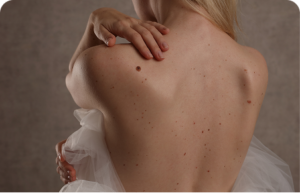
Mole removal at Aesthetics of Essex is typically carried out using shave excision or surgical excision, depending on the size, shape and depth of the mole. Both are quick, minor procedures carried out under local anaesthetic, and most moles can be removed in a single appointment.
Mole removal is generally suitable for:
If you’re not sure whether a mole needs a closer look, our Dyplens mole and lesion screening service is a way to get checked first.
Afterwards, the treated area is covered, and you can return to most normal activities the same day. You may experience some redness around the surrounding skin, which is normal while it heals. Your practitioner will talk you through proper aftercare before you leave.
Most mole removals are completed within one 15-minute appointment, with no need for repeat visits.
The area is numbed before treatment, so discomfort is kept to a minimum throughout.
Your practitioner chooses the removal method most likely to minimise scarring for your particular mole.
If your practitioner has any concerns about a mole, it can be sent for histology alongside your removal for an additional £99.
At your consultation, we talk through which category your mole falls into before deciding between shave excision, surgical excision or a histology referral.
As with all our treatments, consultations are free of charge. Our team will always tell you plainly if we think a mole needs a GP or dermatologist’s opinion before a cosmetic removal we may not think is appropriate.
We provide nothing short of excellent patient care here at Aesthetics of Essex, and you’ll only ever receive treatment from a qualified and experienced professional.

Mole removal (Cryopen)
From £110
Your exact price is confirmed at consultation once your practitioner has seen the mole(s) you’d like removed. See our full pricing list for other treatments.
Mole removal (Minor Op)
From £550
Your exact price is confirmed at consultation once your practitioner has seen the mole(s) you’d like removed. See our full pricing list for other treatments.
Histology report
+£99
Only needed if your practitioner recommends the removed tissue is sent for analysis.

Michelle KeenVerified Customer

I have had such a wonderful experience. I found It is a clean and professional environment. My lower bleph surgery I am thrilled with and it was competitively priced compared to other places. Love the staff particularly Amanda. Highly recommend

OnurVerified Customer
I recently had lipoma removal surgery with Surgeon Ricardo, and I am absolutely thrilled with the entire experience. From the moment I met him, professionalism and genuine care put me at ease. He took the time to thoroughly explain every detail of the procedure, answering all my questions and addressing any concerns I had.
Rose HigleyVerified Customer
Just had my second treatment of profilo done with Amy and the results are amazing. Amy’s lovely and friendly she talked me through the treatment and made me feel at ease. Friendly and welcoming clinic. All the staff are very helpful with any questions asked. Highly recommend.
Jacqui DeanVerified Customer
Friendly and efficient staff, always happy to help, they do lots of different treatments, I have recommended many friends to go there.
Most people feel pressure rather than pain as the area is numbed with a local anaesthetic before your practitioner begins. There may be some mild discomfort once the anaesthetic wears off, but this usually settles quickly.
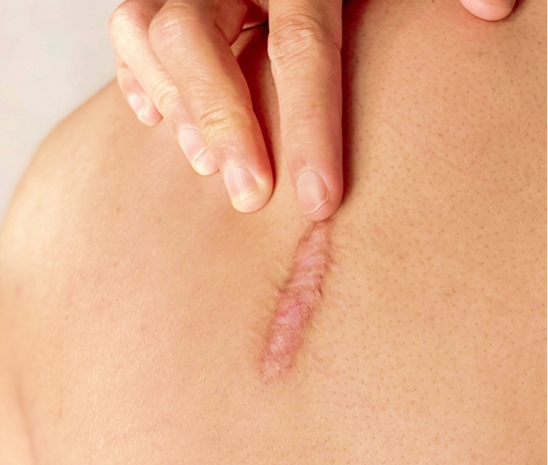
Every removal leaves some mark on the skin. But not to worry – your practitioner chooses a method aimed at minimal scarring, so most people are left with a small scar that fades over time.
How noticeable it is depends on the mole’s size, depth and location.
Shave excision removes the raised part of a mole level with the surrounding skin and doesn’t usually need stitches.
Surgical excision removes the mole and a small margin of surrounding tissue, and is more likely to need a stitch or two.
Your practitioner will recommend whichever suits your mole best at consultation.
Most people notice the area settling within 48 to 72 hours, but full healing can take a little longer.
Your practitioner will give you aftercare advice before you leave, and most people are back to normal activities the same day.
It’s possible in a small number of cases for some pigment to return to the treated area, though most removed moles don’t come back.
If you notice any changes in the area after treatment, get in touch, and we can take a look.

Stay updated on the significant changes in the aesthetics industry this June. Aesthetics of Essex shares essential insights for practitioners...
Read More
Discover the stages of lip filler swelling, what to expect after treatment, and key aftercare tips to help you achieve...
Read More
Explore PRP hair treatment, a revolutionary solution for hair restoration. Uncover its benefits over other methods and achieve fuller, healthier...
Read More
Explore Vitamin B12 injections in Essex for a more effective alternative to daily supplements. Boost your energy and overall health...
Read More
Explore our expert lipoma removal services and boost your confidence, allowing you to feel your best and shine in the...
Read More
Experience the benefits of laser tattoo and hair removal this winter. Our professional services ensure safe, effective results for beautiful,...
Read More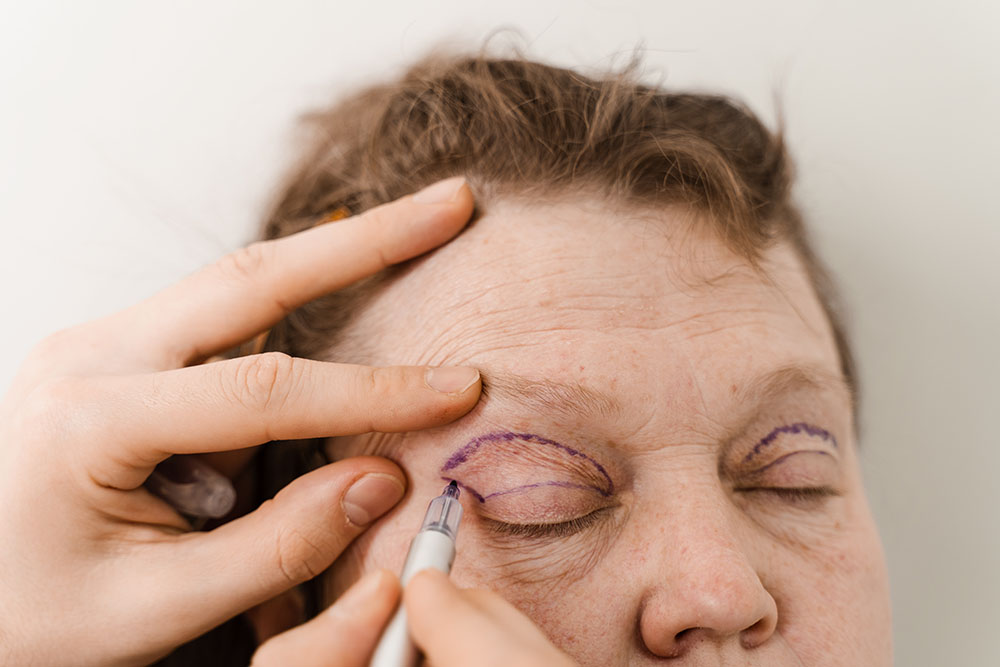
Discover the benefits of blepharoplasty this winter. Our expert eyelid surgery enhances your appearance and boosts confidence. Book your consultation...
Read MoreDiscover the benefits of colonic irrigation for detoxing this New Year. Revitalise your health and embrace a fresh start with...
Read More